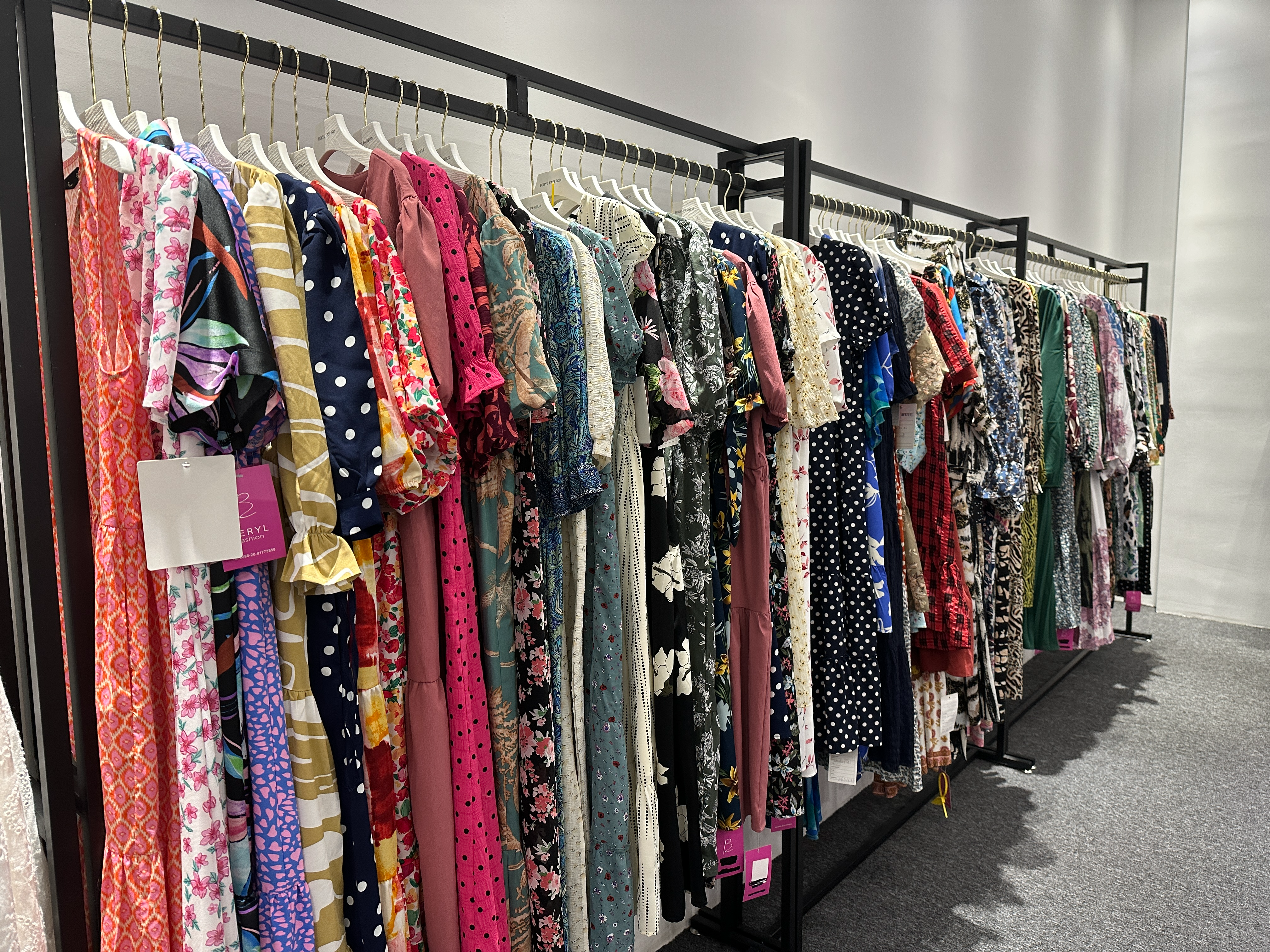

I. Global Regulatory Compliance & Mandatory Documentation
In 2025, the global apparel trade has transitioned toward "Digital Customs," where data accuracy is as vital as product quality. International customs authorities now utilize AI-driven screening to cross-reference documentation.
1. Universal Core Documents
Detailed Commercial Invoice (CI): Must specify fiber composition (e.g., 95% Organic Cotton, 5% Elastane) and the 10-digit HS Code. In 2025, vague descriptions like "Casual Wear" trigger immediate audits.
Packing List (P/L): Must include SKU-level details, net/gross weights, and cubic measurements.
Certificate of Origin (CO): Vital for RCEP preferential rates or verifying non-Xinjiang origin.
2. Region-Specific Material Evidence
U.S. Market (UFLPA Traceability): Importers must provide a "Supply Chain Map," including Cotton Flow Certificates and transaction records from fiber to finished garment to comply with the Uyghur Forced Labor Prevention Act.
EU/UK Market (Technical File): Includes test reports for REACH (chemical safety) and OEKO-TEX or GRS certifications if the product is marketed as "eco-friendly."
II. 2025 Tariff Structures & Preferential Policies
The landscape of 2025 is marked by "Reciprocal Tariffs" in the West and "Integration Benefits" in the East.
1. United States: The "Reciprocal" Era
As of late 2025, the U.S. tariff landscape has undergone significant shifts:
Standard & Section 301 Duties: Most Chinese apparel (HS Chapters 61 & 62) faces a base duty (approx. 12–16%) plus Section 301 penalties, totaling 24% to 32%.
De Minimis Revocation: The $800 duty-free threshold for B2C shipments (e.g., Shein/Temu models) has been largely suspended. All commercial apparel shipments now require formal entry and duty payment.
Postal Surcharges: International postal items from China now face a standardized 54% duty rate or a flat fee (approx. $100) per item to level the playing field for domestic retailers.

2. European Union & United Kingdom
EU TARIC: Chinese clothing generally incurs a 12% duty plus import VAT (ranging from 19% to 25% depending on the member state).
UK Post-Brexit Rules: The UK applies a 12% Global Tariff. Businesses should utilize Postponed VAT Accounting (PVA) to avoid paying VAT at the border, significantly aiding cash flow.
3. RCEP & Asia-Pacific: The Growth Corridor
For exports to Japan, Australia, South Korea, and ASEAN, the Regional Comprehensive Economic Partnership (RCEP) is the primary lever for cost reduction.
Tariff Elimination: Many apparel categories are on a "Phase-Down" schedule, with rates dropping toward 0% by 2025 for qualifying goods.
Back-to-Back CO: Allows for goods to be consolidated in hubs like Singapore or Vietnam without losing their preferential origin status.
III. Key Market Entry Comparison (2025 Data)
| Destination | Avg. Duty (Apparel) | Major Barrier/Policy | Digital Requirement |
| USA | 28.5% (Aggregated) | Section 301 & UFLPA | ISF (10+2) Filing |
| European Union | 12% + VAT | REACH & Forced Labor Regs | EORI & ICS2 |
| United Kingdom | 12% + VAT | UKCA (for PPE/Safety) | CDS Entry System |
| Japan (RCEP) | 0% – 4.5% | RCEP Origin Rules | JCCC Digital Clear |
| Australia | 0% (ChAFTA/RCEP) | Biosecurity Standards | ICS Clearance |

IV. Quality & Labeling Standards
[Graphic: Required Labeling Elements for International Trade]
Language Requirements: Labels must be in the official language of the destination country (e.g., French/German for EU).
Care Labeling: Use of ISO 3758 symbols is mandatory in the EU/UK, while the FTC standards apply in the US.
Fiber Content: Tolerance for fiber content labels is typically +/- 3%. Over-reporting silk or cashmere content can lead to heavy fines for "Commercial Fraud."
V. Logistics & Strategic Advice
Incoterms Selection: For 2025, DAP (Delivered at Place) is preferred over DDP for new importers to avoid the complexity of acting as the "Importer of Record" in foreign jurisdictions.
Customs Bond: U.S. importers must maintain a Continuous Bond to facilitate the high volume of garment entries.
HS Code Optimization: Ensure your broker uses the most specific code; for example, "waterproof" jackets (6201) have different duty implications than standard "windbreakers."