
Choosing the Right Buttons for Clothes: Types, Materials and Expert Tips
Buttons are far more than mere fasteners; they are integral design elements that significantly impact a garment’s overall aesthetic and functionality. However, the sheer variety of buttons available can make selection feel daunting. Whether you are navigating the challenges of a new clothing line or refining a bespoke collection, understanding the nuances of button selection is the key to making informed decisions that ensure the longevity of your garments.
1. A Comprehensive Guide to Button Types
Buttons serve a dual purpose: securing garments and acting as visual anchors. Navigating this vast selection requires a deep dive into how they are constructed and used.
Sew-through Buttons: The Versatile Standard
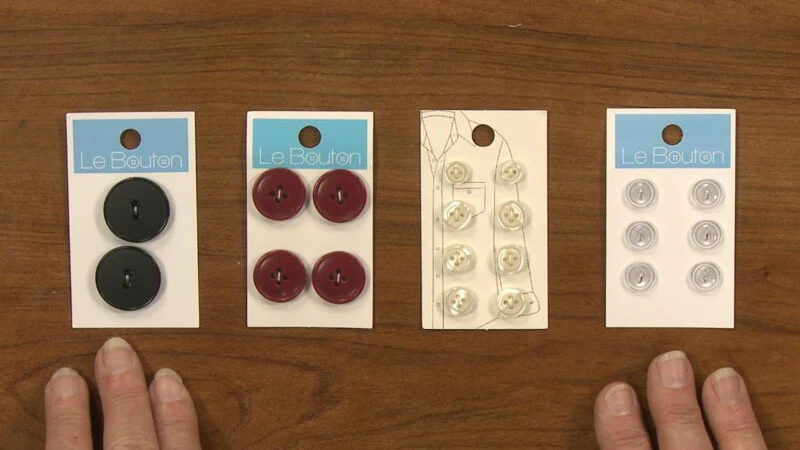
The most ubiquitous type, sew-through buttons (or flat buttons), feature two or four holes.
2-Hole Buttons: Often chosen for a cleaner, more minimalist appearance, ideal for lightweight shirts and blouses.
4-Hole Buttons: Provide superior security and strength. These are the preferred choice for trousers and garments that experience frequent tension.
Pro Tip: When sewing flat buttons onto thick fabrics, creating a "thread shank" allows the button to sit slightly above the surface, preventing the fabric from puckering.
Shank Buttons: Elevated Design
Shank buttons feature a protruding loop or shank on the back instead of holes. This design creates a three-dimensional look and is favored for coats, jackets, and high-end tailoring. The shank provides necessary space for thick fabrics to nestle under the button without distorting the garment's silhouette.
Functional Fasteners & Specialized Closures
Snap Buttons: Utilizing interlocking discs, these are perfect for sportswear and children's clothing where ease of use is paramount.
Toggles: Often made of wood or horn, these elongated fasteners are secured via loops, lending a rustic, heritage feel to outerwear like duffle coats.
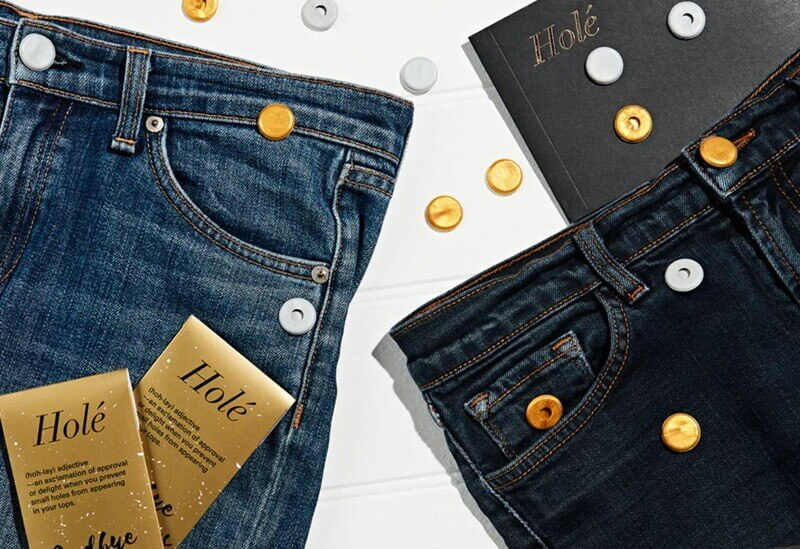
Rivets and Jeans Buttons: Robust and permanent, these are hammered into place, designed to withstand the high stress of denim and workwear.
2. Buttons by Material: Durability Meets Style
The material of a button dictates its tactile feel, durability, and how it responds to laundering.
2.1 Metal Buttons: Robustness and Heritage
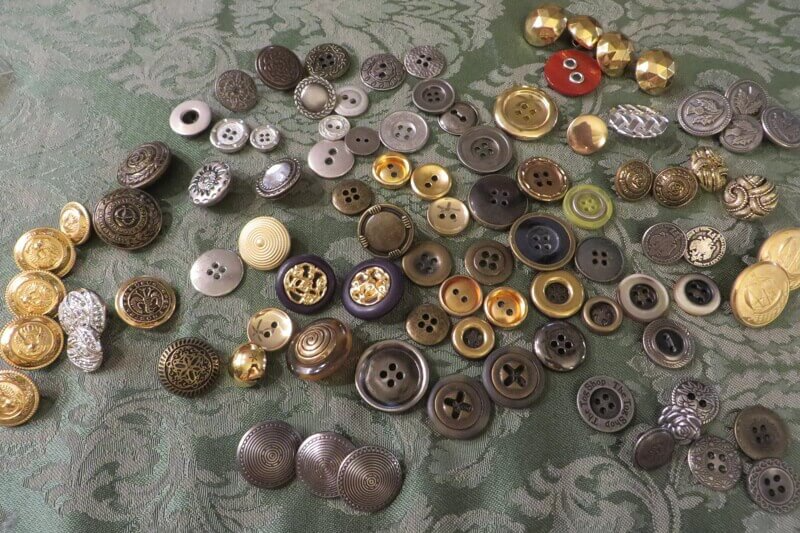
Metal buttons are celebrated for their inherent strength. Crafted from brass, stainless steel, or zinc alloy, they offer finishes ranging from antique gold to sleek gunmetal.
Application: Ideal for heavy-duty outerwear, military-style jackets, and denim.
Expert Insight: Always prioritize rust-resistant metals. High-quality stainless steel or treated brass ensures that the button won't tarnish or stain the fabric after multiple washes.
2.2 Natural & Sustainable Materials: The Eco-Friendly Choice
For brands prioritizing sustainability, natural materials provide an organic, earthy aesthetic.
Horn and Antler: These materials are prized for their unique, swirling textures. No two horn buttons are identical, adding a "bespoke" feel to coats and blazers.
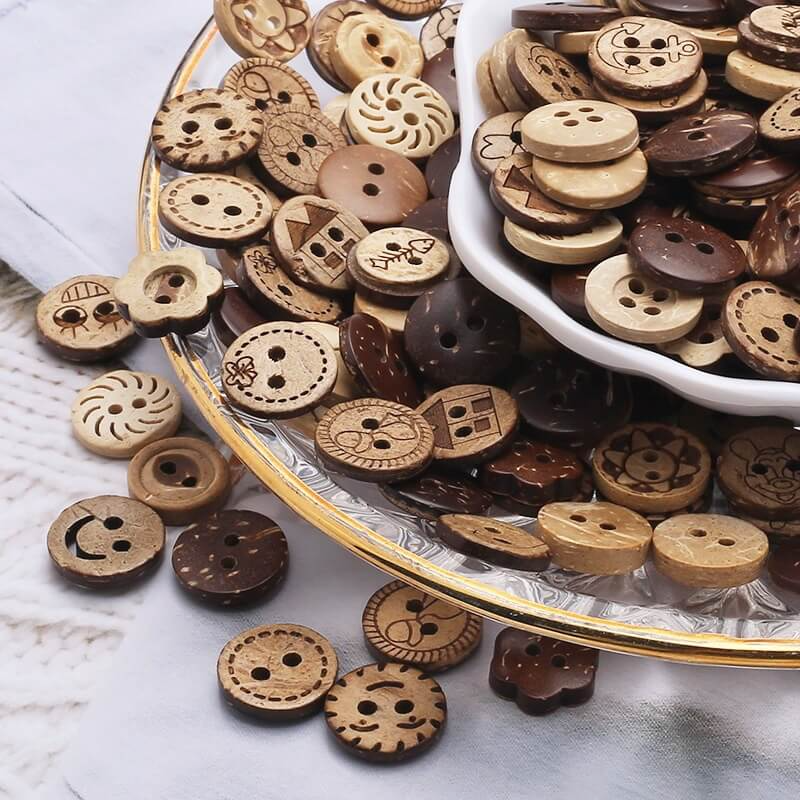
Wood and Coconut: These lend a warm, rustic charm. Coconut buttons, in particular, are favored for their biodegradability and unique grain.
Shell Buttons: Made from mother-of-pearl or trochus shell, they exude a natural iridescence. They are the hallmark of high-quality dress shirts, though they require gentle handling as they can be more fragile than synthetic alternatives.
2.3 Plastic and Synthetic Materials: Versatility and Economy
Plastic buttons (polyester, resin, nylon, and ABS) are the workhorses of the industry.
Polyester: Can be engineered to mimic more expensive materials like horn or shell while maintaining high resistance to heat and chemicals.
Rubber: Known for their softness and bendability, rubber buttons are excellent for children’s safety and activewear comfort.
2.4 Decorative & Artistic Options
Fabric and Leather: Leather buttons bring a rugged, vintage feel to tweed jackets. Fabric-covered buttons allow for perfect color matching with the garment's body.
Ceramic and Glass: These are artistic statements. While fragile, they serve as unique accents for special occasion wear.
3. Expert Selection Tips for Garment Success
Choosing the "right" button is a balance between engineering and art. Consider these four pillars:
I. Align with Fabric Weight
The weight of the button should complement the drape of the fabric. A heavy metal button on a delicate silk blouse will cause the fabric to sag and eventually tear. Conversely, a lightweight plastic button on a heavy wool coat will look inadequate and fail under pressure.
II. Functionality vs. Aesthetics
Buttons in high-stress areas (like a waistband) must be chosen for their mechanical strength. In contrast, buttons on a sleeve vent or a lapel can be chosen purely for their decorative impact.
III. Proportions and Placement
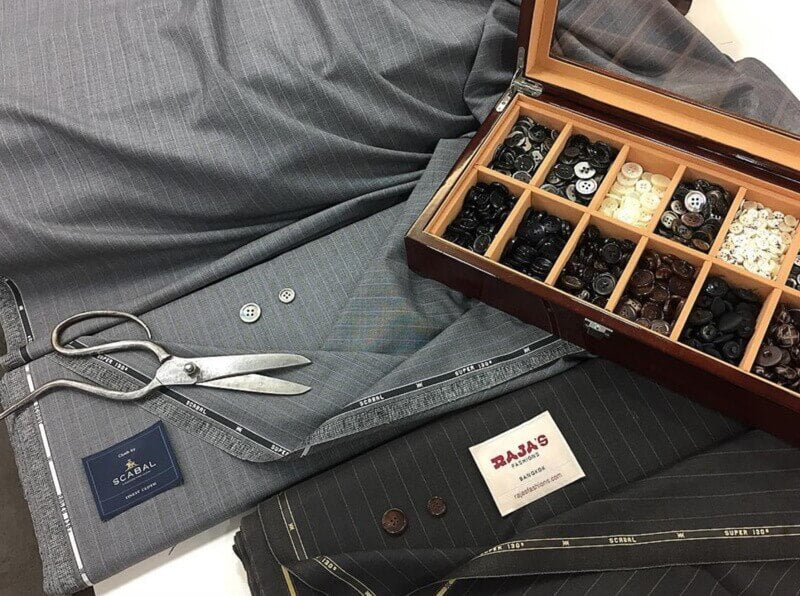
Button size is measured in Lignes (L).
Standard dress shirts typically use 16L or 18L.
Suit jackets typically use 32L for the front and 24L for the sleeves.
Accurate placement ensures a proper closure and a comfortable fit, preventing the "gaping" effect often seen in poorly constructed shirts.
IV. Color Harmony and Branding
Tone-on-Tone: Matching the button exactly to the fabric creates a formal, seamless look.
Contrast: Using a contrasting color (e.g., white buttons on a navy shirt) draws the eye and highlights the garment's construction.
Branding: Custom-engraved buttons are a subtle yet powerful way to elevate a brand’s identity.
4. Maintenance and Longevity
To ensure your product lasts, the button's care requirements must match the garment’s.
Heat Resistance: Ensure polyester buttons can withstand high-temperature ironing.
Chemical Stability: For garments that require dry cleaning, verify that the button material won't degrade when exposed to cleaning solvents.
Care Labels: Always provide clear instructions on whether buttons need to be covered or removed during heavy-duty laundering.
Conclusion
From the most functional fastener to the most exquisite embellishment, buttons are undeniably vital components in the world of clothing. Mastering button selection is an investment that elevates both the aesthetic appeal and the practical value of your creations. As fashion evolves, staying updated on material innovations—especially in the realm of sustainable and recycled fasteners—will ensure your designs remain both stylish and functionally superior.