

As of 2026, China continues to command the global textile landscape. While diversification is a buzzword in supply chain management, the reality remains that China’s infrastructure for apparel production is unparalleled. In recent years, the industry has shifted from simple high-volume assembly to a sophisticated, tech-driven ecosystem. According to data from the World Trade Organization (WTO), China remains the largest exporter of textiles and clothing globally, maintaining a dominant market share that even the combined efforts of several Southeast Asian nations have yet to match.
Why China Remains the Global Hub for Apparel
The decision to source from China is no longer just about the lowest possible price; it is about "value density." While labor costs in inland provinces and coastal cities have risen, the efficiency of the Chinese worker is significantly higher than in competing markets. Industry benchmarks often show that a Chinese production line can achieve 30% to 50% higher output per hour compared to newer manufacturing hubs.
Furthermore, China’s massive investment in Industry 4.0—including automated fabric laser cutters, AI-driven quality control, and smart logistics—allows for a level of precision that boutique and high-end brands require. The country's "Vertical Supply Chain" means that within a single industrial zone, a factory can source yarn, dye fabrics, procure trims, and ship finished goods, drastically reducing the lead times that are critical for the fast-fashion and drop-shipping models.
Strategic Geography: Mapping China’s Textile Clusters
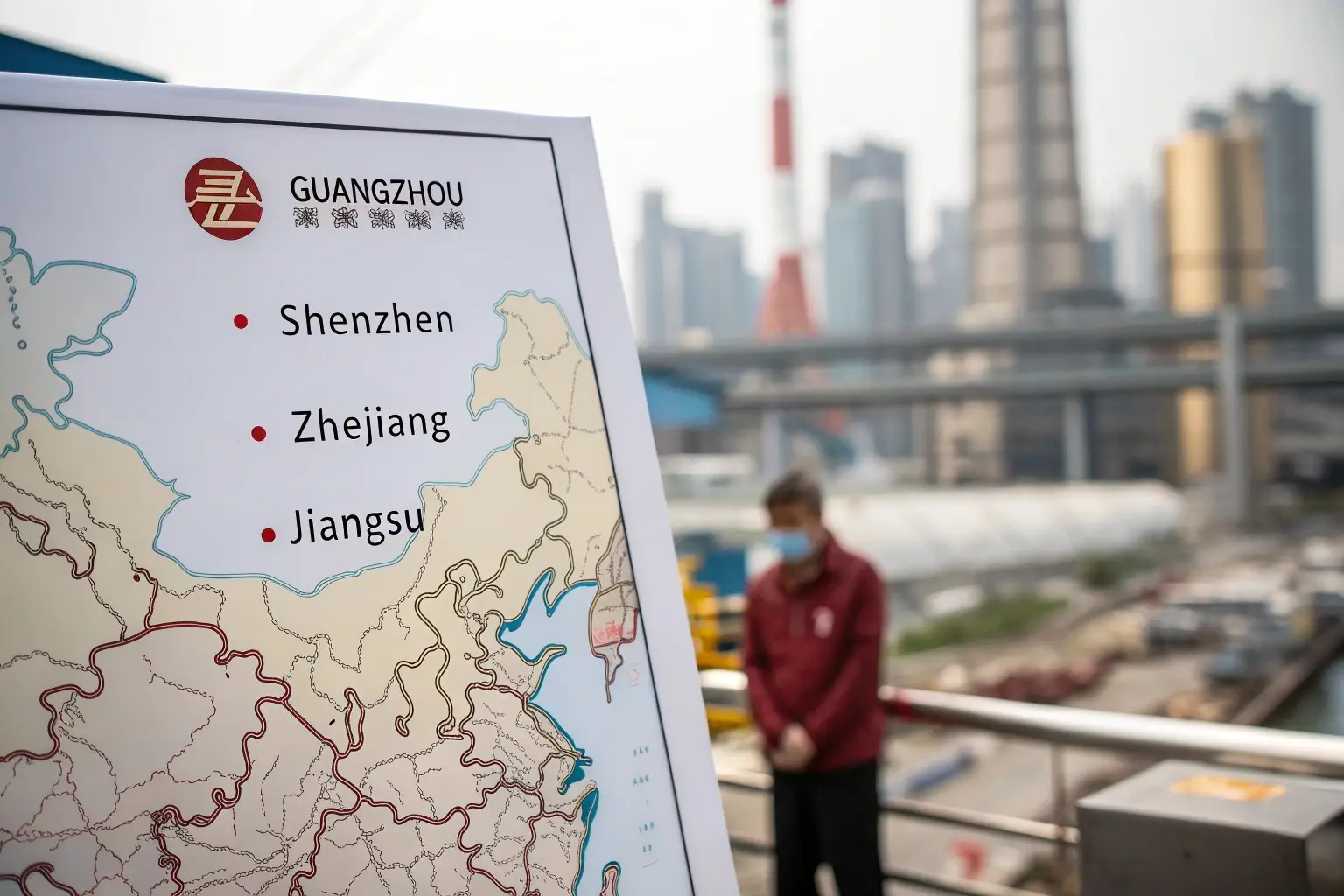
To find the right manufacturer, you must understand that China’s garment industry is highly regionalized. Each province acts as a specialized "micro-economy."
Guangdong Province is the powerhouse for fast fashion and contemporary apparel. Cities like Guangzhou and Dongguan are home to thousands of factories that cater to Western high-street brands. This region is ideal if you are looking for rapid prototyping and access to the world’s largest fabric markets, such as the Zhongda Fabric Market.
Zhejiang and Jiangsu Provinces represent the pinnacle of technical and sophisticated garment production. Zhejiang, particularly around Ningbo and Hangzhou, is famous for high-quality men’s suits and heavy knitwear. Meanwhile, Jiangsu is the traditional heart of China’s silk industry and is now a leader in high-performance outerwear and down jackets.
Fujian Province, specifically cities like Quanzhou and Jinjiang, is recognized globally as the "Shoe Capital." Beyond footwear, it is a primary hub for sportswear and functional gym gear. If your brand focuses on athleisure or technical outdoor clothing, Fujian’s specialized machinery for synthetic fabrics makes it the logical choice.
Multi-Channel Sourcing Strategies
1. Digital B2B Ecosystems
Digital platforms remain the most accessible entry point. Alibaba continues to be the primary directory, but savvy buyers now look for "Verified Plus" status, which indicates that the factory has undergone rigorous third-party on-site audits. Global Sources is another high-tier alternative, often preferred by professional volume buyers because it vets its suppliers more strictly for OEM/ODM capabilities. For those looking for the "source of the source," 1688.com (Alibaba's domestic site) offers lower pricing, though it requires a local agent or translation to navigate.
2. The Return of Physical Trade Shows
There is no substitute for physical inspection. The Canton Fair remains the largest comprehensive show, but specialized exhibitions like Intertextile Shanghai Apparel Fabrics offer a deeper dive into material innovation. Visiting these shows allows you to evaluate the "hand-feel" of fabrics and negotiate face-to-face, which is essential for building Guanxi (long-term business relationships) in Chinese culture.
3. Professional Sourcing Agents
For organizations managing complex technical packs (Tech Packs) or high-volume orders, third-party sourcing agencies act as an essential bridge. These agencies provide "boots on the ground," conducting initial factory walk-throughs and verifying that the factory's claims—such as their machine list and worker count—are accurate before you send a deposit.
Vetting and Quality Assurance Protocols
The risk in Chinese manufacturing often stems from "Quality Fade," where the first batch is perfect but subsequent orders decline in standard. To prevent this, you must implement a strict three-pillar verification system:
Social and Technical Audits: Before onboarding, verify if the factory holds a BSCI (Business Social Compliance Initiative) or SEDEX certification. These ensure ethical labor practices. For quality management, look for ISO 9001 certifications.
Third-Party Lab Testing: Never take a factory’s word for fabric composition. Use accredited labs like SGS or Intertek to test for colorfastness, shrinkage, and the presence of banned AZO dyes. This is vital for legal compliance in the US and EU markets.
In-Line and Pre-Shipment Inspections: Arrange for an inspector to visit the factory when 20% of the order is finished (In-Line) to catch mistakes early, and again at 100% completion (Pre-Shipment) to ensure the final product matches your "Golden Sample."
Conclusion: Building a Resilient Supply Chain
Finding a clothing manufacturer in China is a journey of due diligence. By focusing on the specialized industrial clusters of the East Coast and leveraging both digital platforms and physical inspections, brands can tap into the world’s most efficient production engine. Success lies in the details: verifying certifications, performing regular audits, and maintaining clear, consistent communication with your manufacturing partners.