
The textile industry process is a sophisticated blend of ancient craftsmanship and cutting-edge technology. Transforming raw materials—whether harvested from nature or synthesized in a lab—into a high-performance garment requires a meticulous, multi-stage journey. Understanding the textile production process is essential for designers, manufacturers, and conscious consumers who want to grasp the complexity behind the clothes we wear and the fabrics we use daily.
I. Stage 1: Fiber Sourcing and Pre-Processing
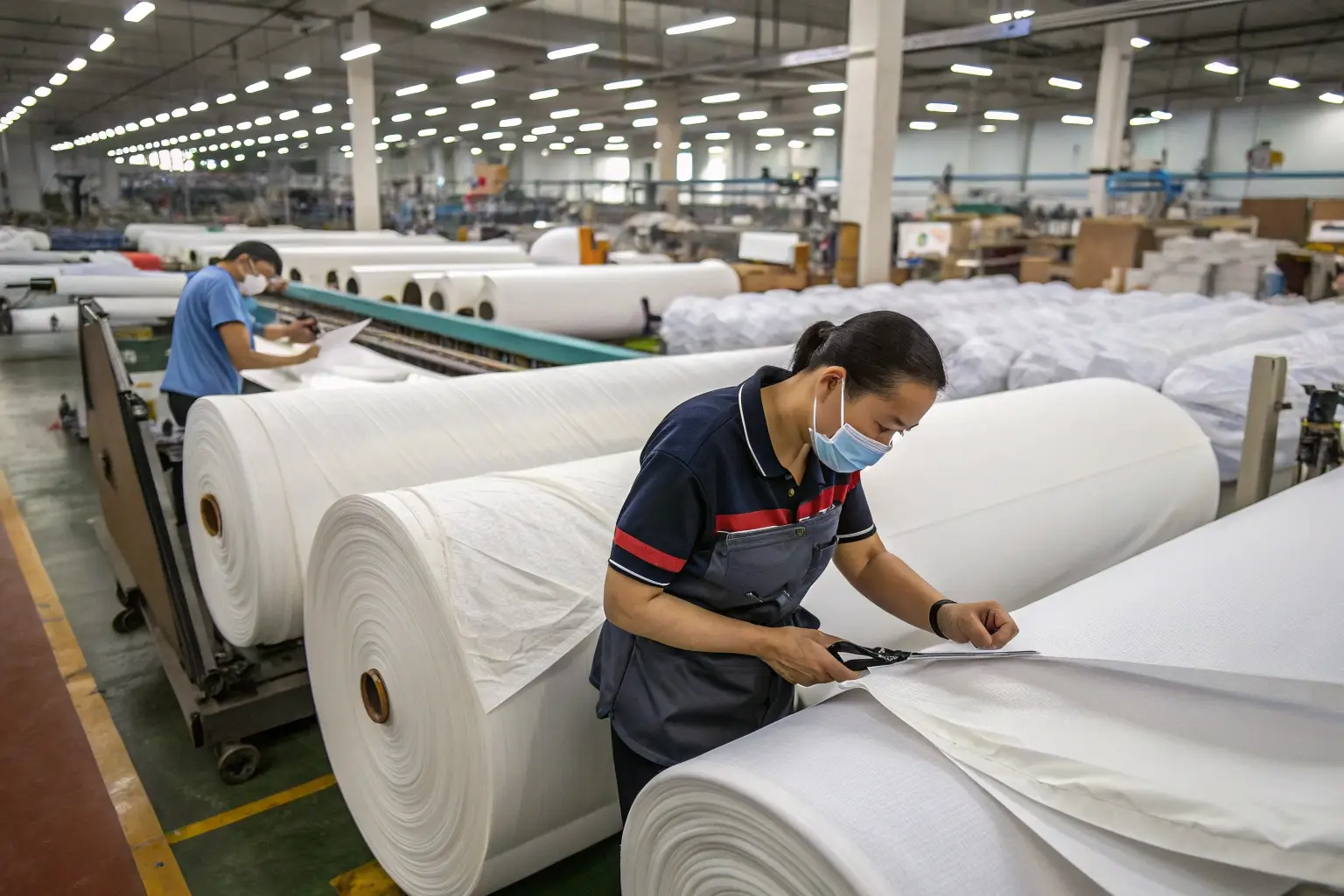
Every fabric production process begins with the selection of the primary building block: the fiber. Fibers are categorized into three main types:
Natural Fibers: Plant-based (cotton, linen, hemp) or animal-based (wool, silk, cashmere). These require intensive cleaning, ginning, or scouring to remove impurities like seeds, dirt, and natural oils.
Synthetic Fibers: Petroleum-based polymers like polyester, nylon, and acrylic. These are created through chemical extrusion processes.
Regenerated/Cellulosic Fibers: Materials like Rayon, Tencel, or Modal, which bridge the gap by processing wood pulp through chemical solutions.
II. Stage 2: Yarn Manufacturing (The Spinning Phase)
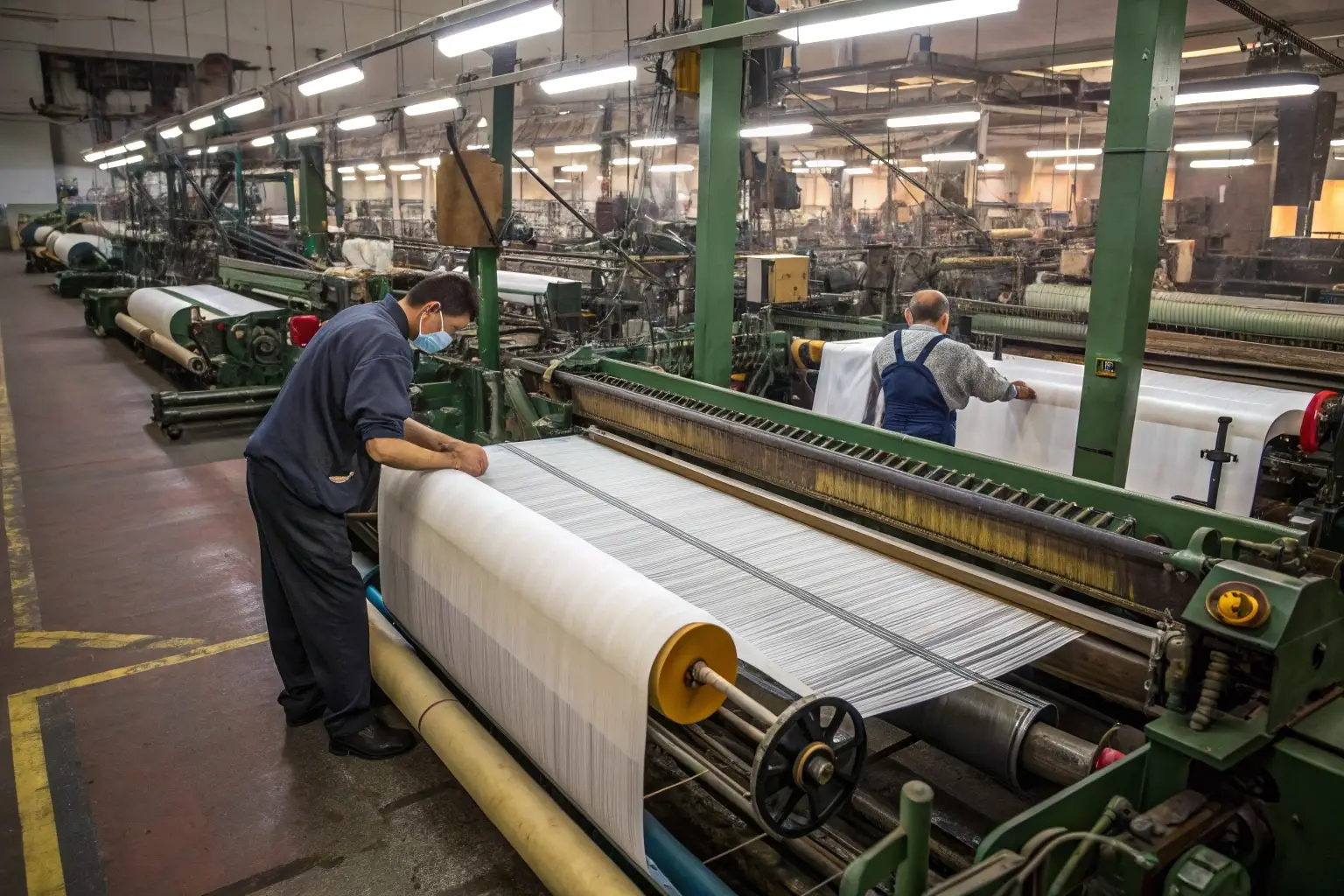
Once the fibers are cleaned and aligned, they enter the yarn manufacturing stage. This is a critical junction in the textile industry process where raw mass becomes a workable thread.
Carding & Combing: Fibers are straightened and aligned into a continuous web or "sliver."
Drawing: Multiple slivers are combined to improve uniformity.
Spinning: The slivers are twisted at high speeds to provide strength and cohesion. Common methods include Ring Spinning (for high quality), Open-End Spinning (for efficiency), and Air-Jet Spinning (for softness and speed).
III. Stage 3: Fabric Construction (Weaving and Knitting)
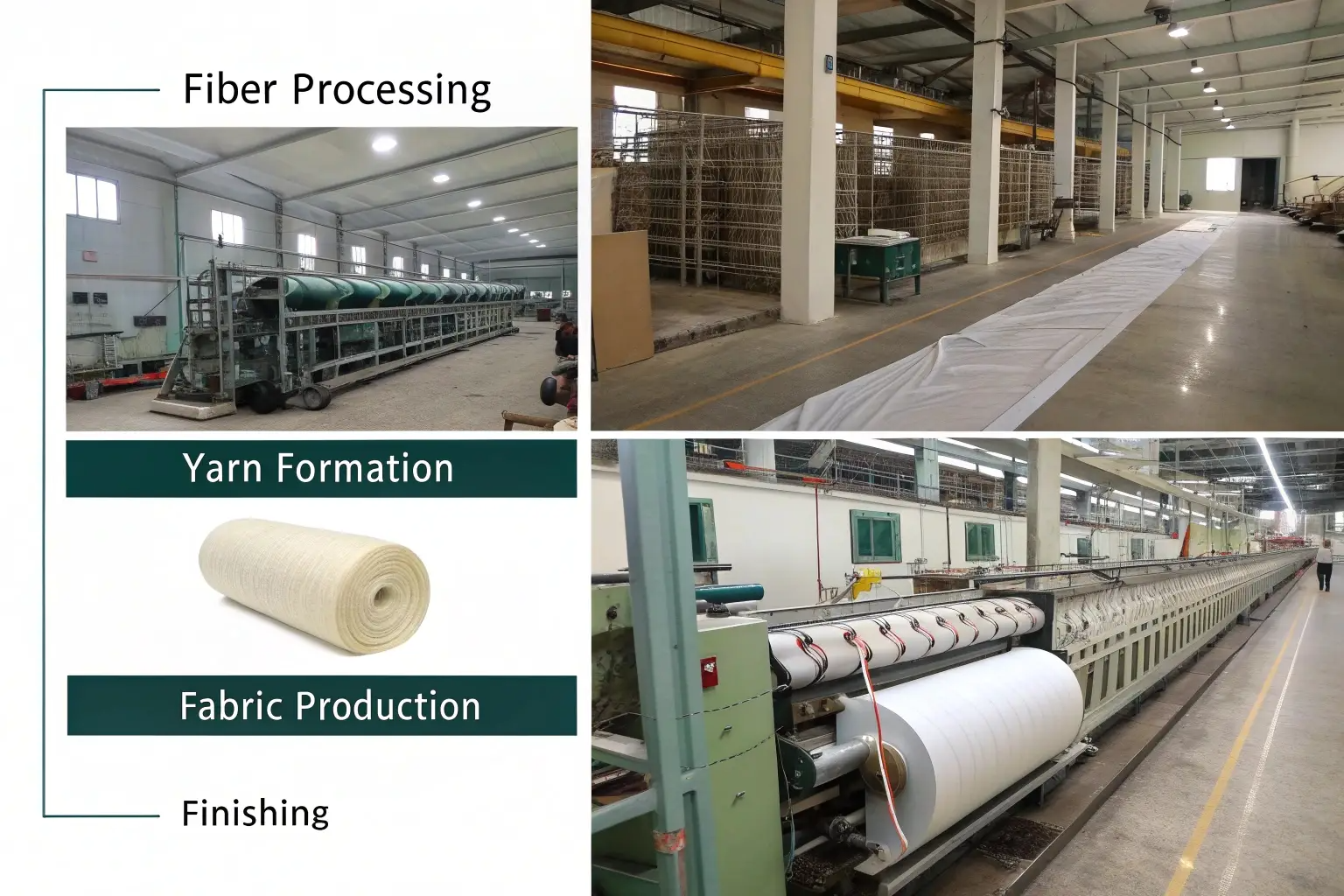
This is the core of the fabric production process, where yarn is transformed into a two-dimensional plane. The method chosen determines the fabric's stretch, durability, and texture.
Weaving
Weaving involves interlacing two sets of yarns—the warp (longitudinal) and the weft (latitudinal)—at right angles.
Common Weaves: Plain, Twill (denim), and Satin.
Equipment: High-speed power looms or traditional handlooms.
Knitting
Knitting creates fabric by interlocking loops of yarn using needles.
Weft Knitting: Used for T-shirts and sweaters (stretchable).
Warp Knitting: Used for lace and technical textiles (more stable).
IV. Stage 4: Wet Processing, Dyeing, and Printing
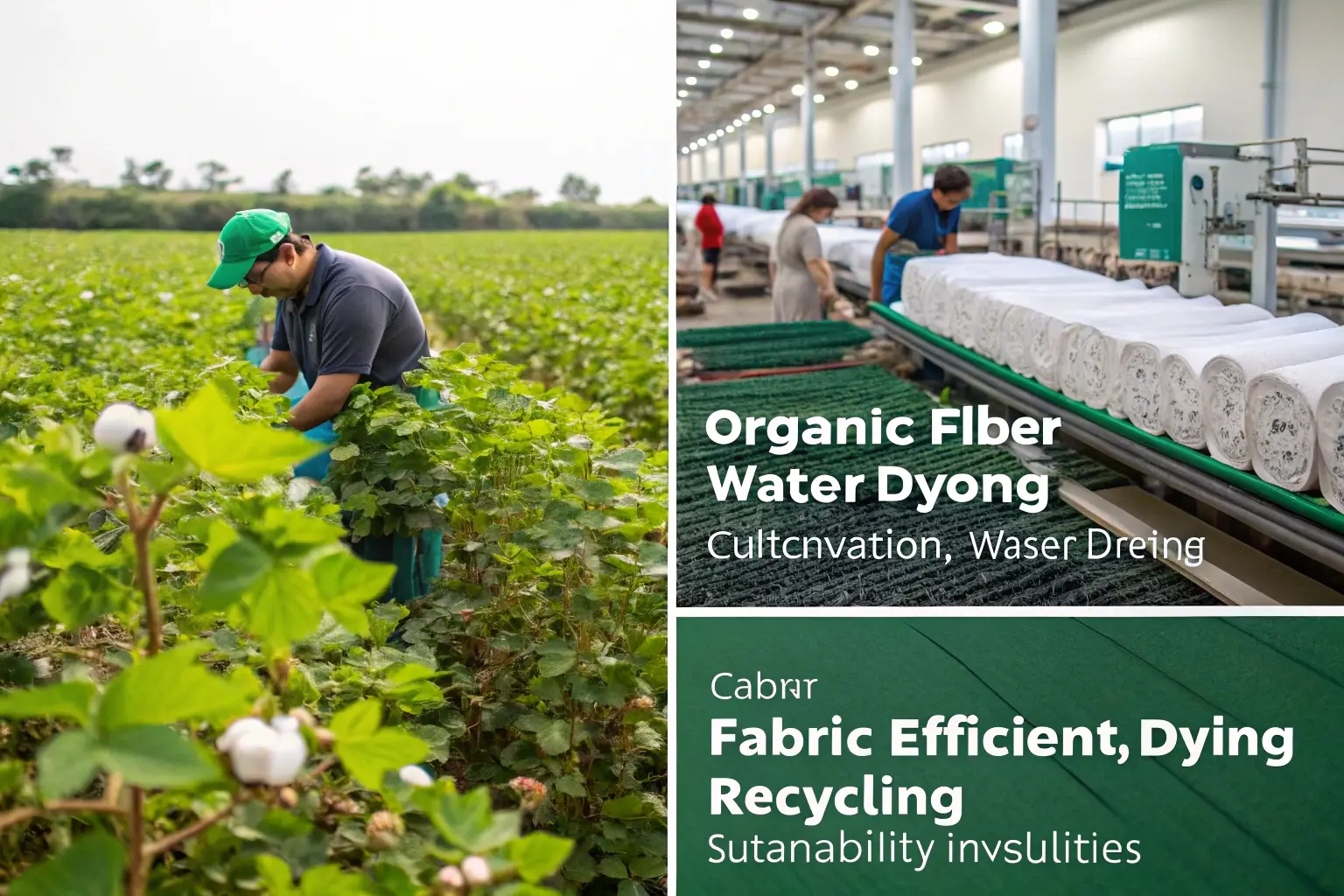
After construction, the "greige" fabric (unfinished material) must be treated to achieve the desired aesthetic.
Pre-treatment: Scouring and bleaching to remove natural waxes and ensure even dye uptake.
Dyeing: The fabric is immersed in dye baths. This can happen at the fiber, yarn, or fabric stage.
Printing: Applying patterns through digital inkjet printing, rotary screen printing, or heat transfer.
V. Stage 5: Advanced Textile Finishing Treatments
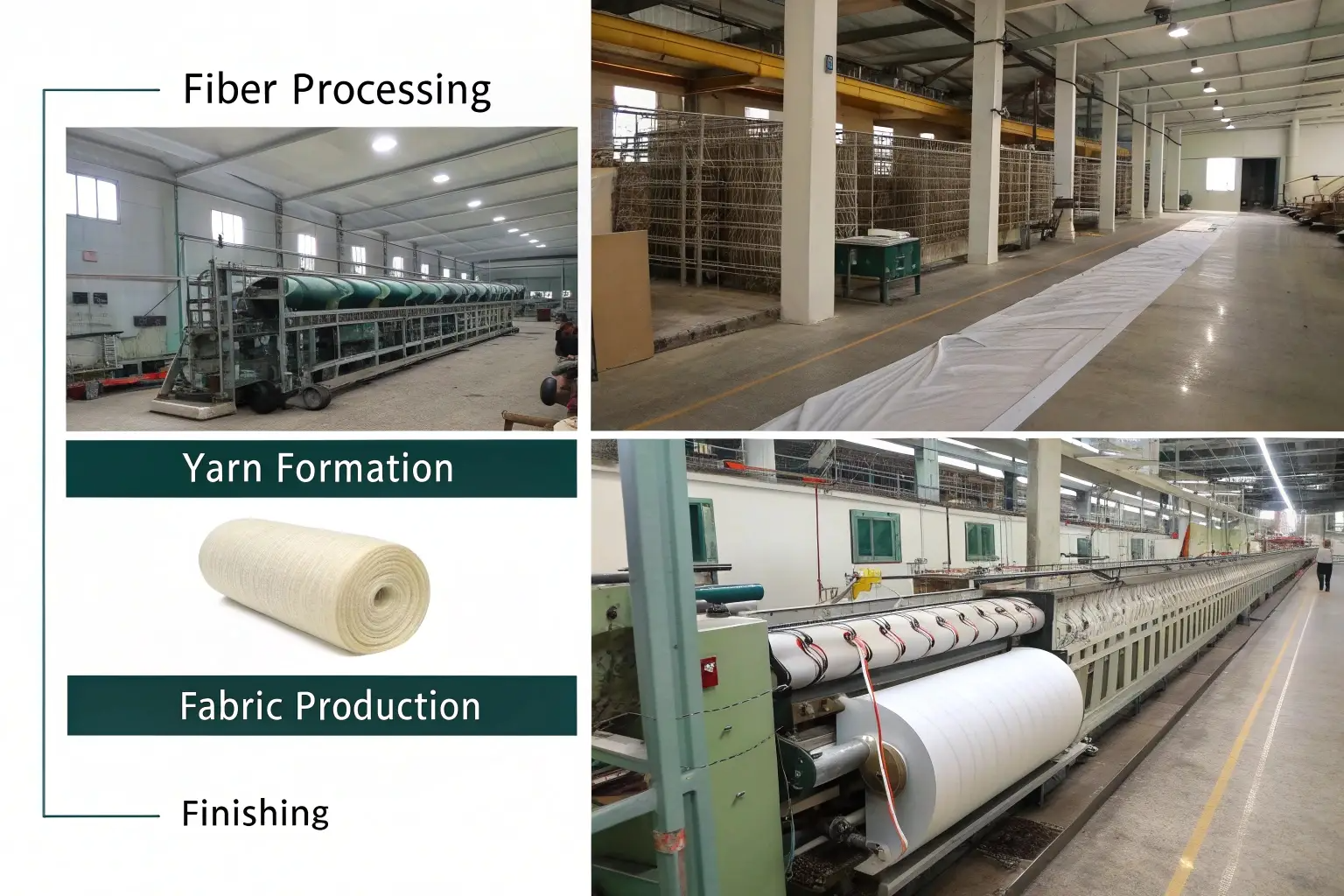
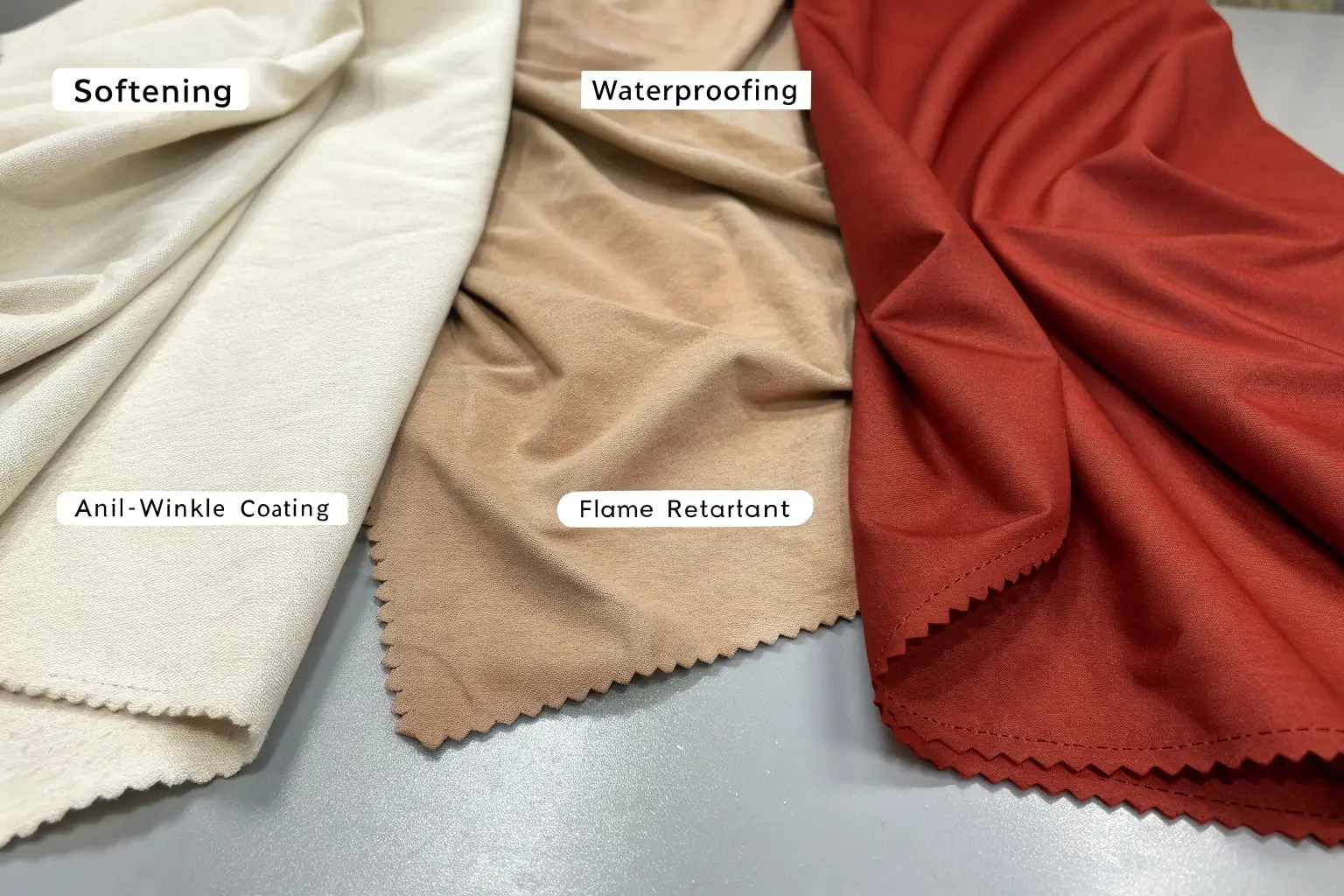
Finishing is the "final touch" that defines the performance and hand-feel of the textile. This stage of the textile production process is where functionality is added:
| Finishing Type | Purpose | Example |
| Sanforization | Mechanical pre-shrinking | Used in 100% cotton jeans |
| Mercerization | Increasing luster and dye affinity | High-end cotton shirts |
| Chemical Coating | Adding "smart" features | Waterproof raincoats or flame-retardant curtains |
| Napping/Brushing | Creating a soft, fuzzy surface | Flannel and fleece garments |
VI. Stage 6: Cut, Make, and Trim (CMT)
The final physical transformation occurs in the garment assembly unit.
Pattern Grading: Scaling designs to different sizes.
Spreading & Cutting: Layering fabric and cutting shapes with precision lasers or blades.
Sewing: Assembling the pieces using industrial sewing machines.
Quality Assurance: Rigorous testing for seam strength, colorfastness, and dimensional stability.
VII. The Modern Textile Life Cycle and Sustainability
In the modern textile industry process, the journey doesn't end at the retail shelf. The industry is shifting toward a Circular Economy model:
Design for Longevity: Creating durable goods to reduce turnover.
Eco-Sourcing: Utilizing organic cotton and recycled polyester (rPET) to lower the carbon footprint.
Closed-Loop Systems: Recycling post-consumer textile waste into new fibers, effectively restarting the fabric production process without virgin materials.
Conclusion
The textile production process is an intricate chain where every link matters. From the molecular structure of the fiber to the final anti-wrinkle spray applied in the finishing plant, each step contributes to the performance and sustainability of the end product. As technology evolves, we see a greater emphasis on automation and eco-friendly chemistry, ensuring the textile industry remains both innovative and responsible.