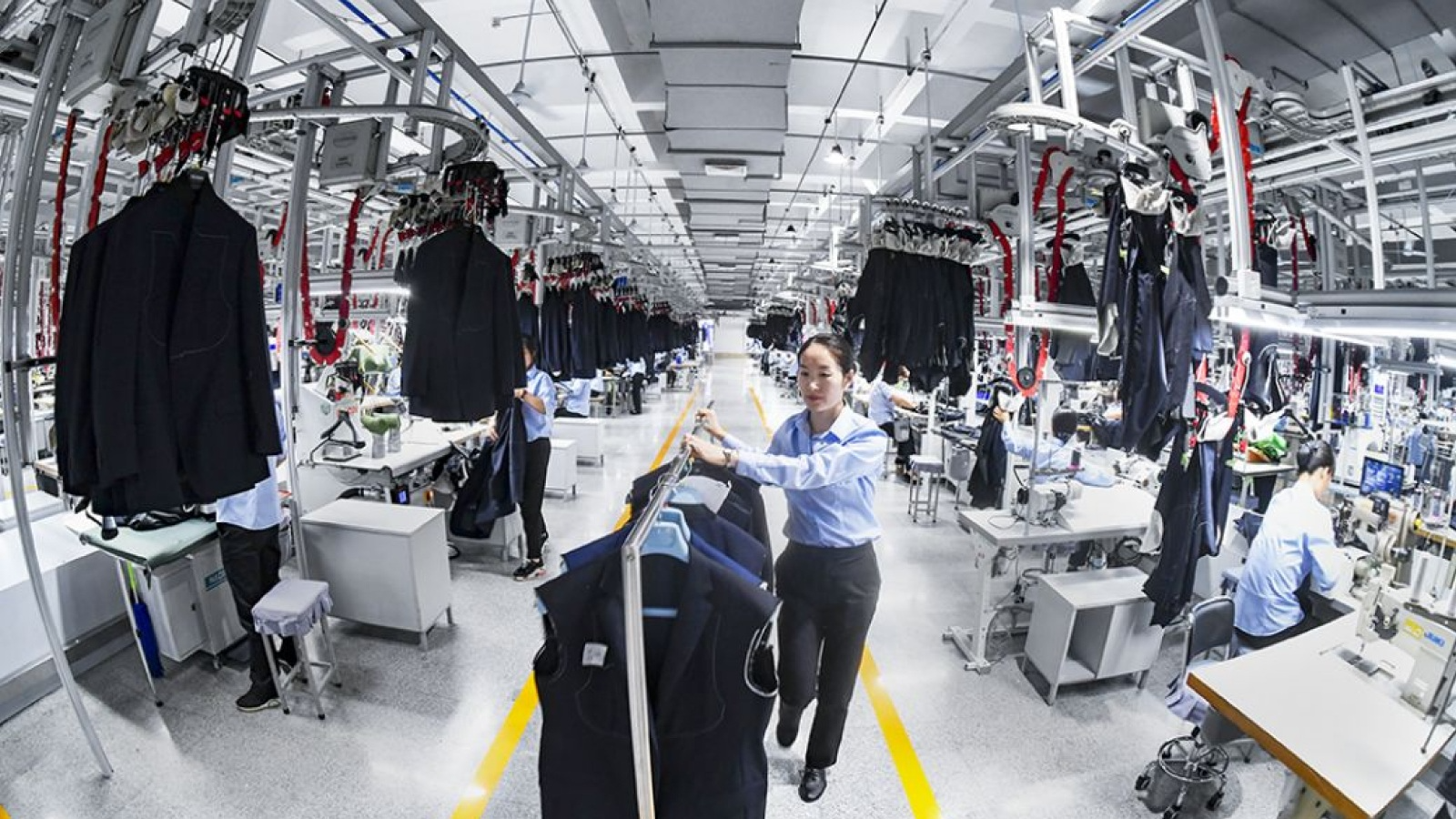

China remains the undisputed leader in global apparel production, accounting for over 30% of the world’s clothing exports. With a textile export value surpassing $293 billion, the country offers an unparalleled infrastructure for fashion brands ranging from startups to multinational retailers. However, navigating this vast market requires a strategic approach to ensure product quality, ethical standards, and supply chain stability. This comprehensive guide outlines the essential steps to identifying and partnering with the right Chinese clothing manufacturers to scale your business.
Establishing Your Manufacturing Prerequisites
Before initiating contact with any factory, you must define your production requirements with precision. Manufacturers in China receive hundreds of inquiries daily; those backed by professional documentation are prioritized.
Detailed Tech Packs: Create comprehensive technical packages including CAD drawings, material specifications (GSM, fiber content), Pantone color references, and size charts.
Minimum Order Quantity (MOQ) Strategy: Determine your volume. While larger MOQs often unlock lower per-unit costs, being transparent about your initial testing phase helps in finding a partner willing to grow with you.
Production Timelines: Define clear windows for sampling, mass production, and shipping. Account for seasonal peaks, such as the period leading up to the Lunar New Year, when production capacity is often at its limit.
Strategic Channels for Finding Manufacturers
Finding a factory is simple, but finding a reliable partner requires utilizing the right platforms and networking strategies.
B2B Digital Marketplaces
Online directories are the most accessible starting point. Alibaba remains the primary portal for international buyers, offering "Verified Supplier" tags and Trade Assurance for payment protection. For those seeking even more competitive pricing, 1688.com serves the Chinese domestic market. While 1688 offers deeper insights into factory inspection reports and staff details, it often requires specialized payment solutions like a World Account to handle local currency transactions (CNY) and overcome international payment barriers.
Trade Fairs and Physical Sourcing
Nothing replaces face-to-face interaction for assessing quality and building trust. The Canton Fair in Guangzhou is the world’s largest trade exhibition. Fashion and textile buyers should focus on Phase 3, where thousands of manufacturers showcase their latest capabilities. Additionally, the Global Sources Fashion Fair in Hong Kong is an excellent venue for meeting export-ready suppliers who are accustomed to Western quality standards.
Professional Sourcing Agents
If you lack the resources to manage production on-site, a sourcing agent can act as your boots-on-the-ground representative. They handle factory vetting, price negotiation, and quality control. However, ensure your agent is transparent about their commission structure and allows you to maintain a level of direct communication with the factory to foster long-term relationship building.
Conducting Rigorous Due Diligence
Vetting a manufacturer is the most critical step in mitigating risk. You must distinguish between trading companies (middlemen) and actual factories (manufacturers).
Verify Certifications: Look for internationally recognized standards such as ISO 9001 for quality management, WRAP (Worldwide Responsible Accredited Production) for ethical labor, and OEKO-TEX Standard 100 for chemical safety in textiles.
Audit Reports: Request recent third-party audit reports (such as BSCI or Sedex). If a manufacturer is hesitant to share these, it may be a red flag regarding their compliance or factory conditions.
Sample Testing: Always order a "pre-production sample" before committing to a full run. Evaluate the sample for stitching consistency, seam strength, and color accuracy. This sample serves as your legal benchmark for the final shipment quality.
Master Negotiation and Secure Payment Terms
Negotiation in the Chinese manufacturing sector extends beyond the unit price. It involves balancing quality, lead times, and payment security.
Cost Transparency: Ask for an itemized breakdown of costs, including fabric, trims, labor, and packaging. This allows you to identify where adjustments can be made without compromising garment integrity.
Structured Payments: The industry standard is typically a 30% deposit to begin production, with the remaining 70% balance due after a successful final inspection but before the goods leave the factory.
Financial Efficiency: Use integrated payment platforms like WorldFirst to pay your suppliers. These services allow you to pay in local currency (CNH) or USD at competitive interbank rates, avoiding the high hidden fees often associated with traditional bank transfers and protecting your profit margins.
Building a Sustainable Partnership
Success in apparel sourcing is built on mutual respect and clear communication. Treating your manufacturer as a strategic partner rather than just a vendor leads to better priority during peak seasons and higher attention to detail. Consistent, timely payments and professional feedback during the sampling phase will establish your brand as a preferred client, ensuring your supply chain remains robust as you scale your fashion business.