
1. What is Fringe in Textile Design?
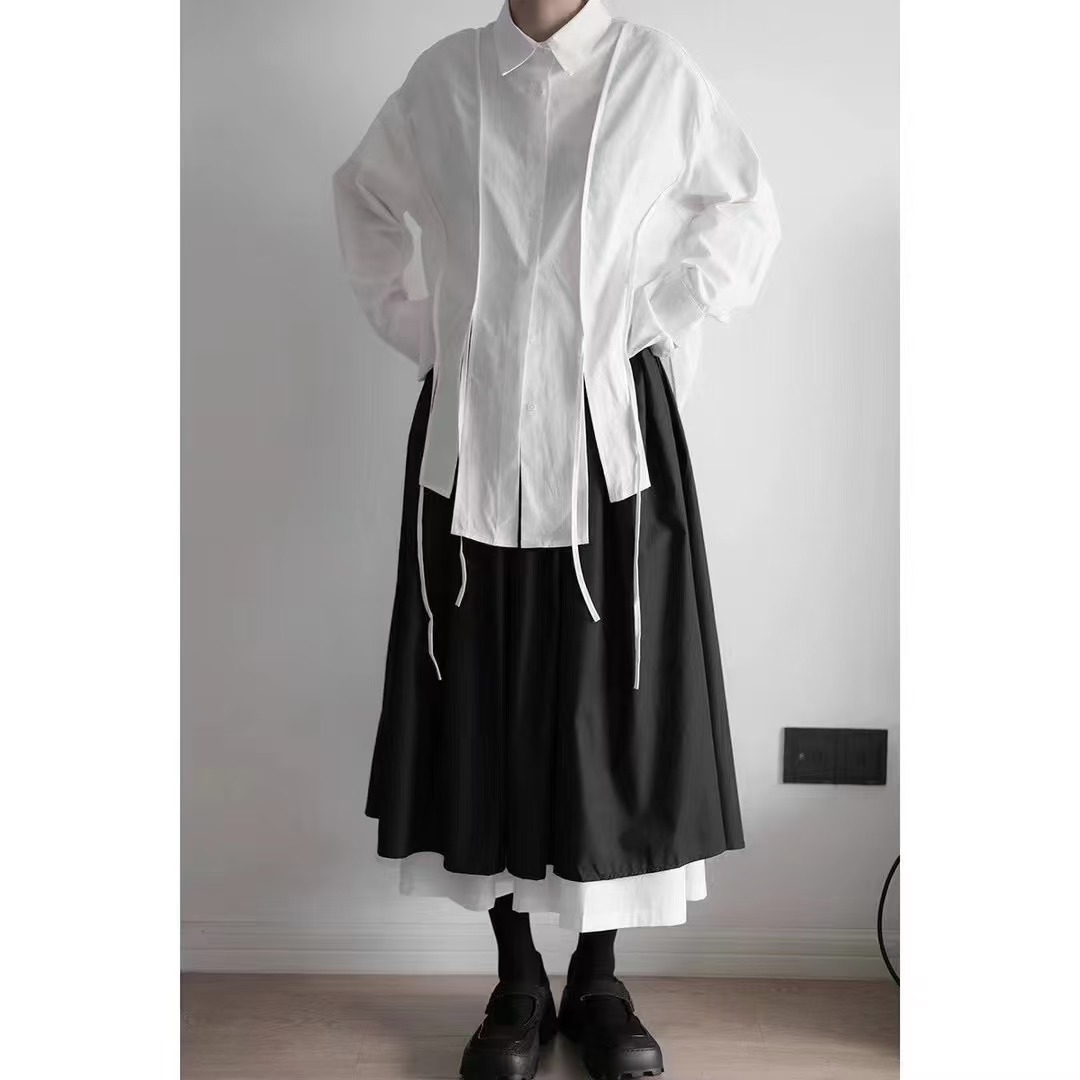
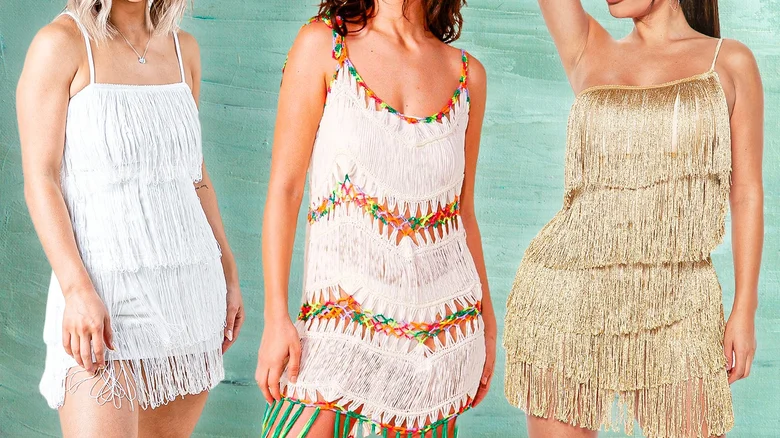
In textiles, fringe is an ornamental border of loose threads, cords, or strips. Historically, it served a functional purpose: preventing the raw edges of woven fabric from unravelling. Today, it is a key design element used to create "kinetic fashion"—garments that change shape and aesthetic as the wearer moves.
2. Primary Types of Fringe Craftsmanship
A. Self-Fringe (Integrated Fringe)
This is created using the fabric’s own yarns. By removing the weft (horizontal) or warp (vertical) threads at the edge of a woven textile, the remaining yarns are left exposed to form a natural fringe.
Best For: Cashmere scarves, wool blankets, and Bouclé/Tweed jackets.
Pro Tip: A "stay-stitch" or narrow zigzag stitch is required at the base to prevent the fabric from unravelling further than intended.
B. Applied Fringe (Trim Fringe)
Applied fringe is manufactured separately and sewn onto the garment's hem or seams.
Brush Fringe: Short, dense yarns that resemble a brush.
Tassel Fringe: Groups of yarns tied at intervals to form bell-shaped drops.
Bullion Fringe: Thick, twisted cords (often seen in luxury upholstery or military regalia).
Chainette Fringe: Made from high-luster synthetic filaments (like rayon), famous for the "flapper" dresses of the 1920s.
C. Hand-Knotted & Macramé Fringe
Advanced craftsmanship involving tying the fringe into intricate geometric patterns. This adds significant labor value and is a hallmark of Bohemian and artisanal luxury brands.
3. Technical Specifications & Manufacturing Standards
When sourcing or producing fringe, professional buyers look for specific technical indicators:
| Feature | Technical Consideration | Quality Benchmark |
| Fiber Composition | Rayon, Silk, Cotton, or Leather | High-luster rayon offers the best "swing" and drape. |
| Ply & Twist | The number of yarns twisted together | Higher twist prevents fraying but can cause "curling." |
| Density (Ends Per Inch) | Number of strands per cm/inch | Higher density provides a more opaque, luxurious look. |
| Attachment Method | Top-stitched, inset, or fused | Must withstand the weight of the fringe without puckering the fabric. |
4. Modern Innovations: Laser-Cut and Synthetic Fringe
With the rise of athleisure and tech-wear, fringe has evolved beyond traditional threads:
Laser-Cutting: Using CO2 lasers to cut precise strips into leather, suede, or neoprene. This creates a clean, non-fraying edge perfect for contemporary outerwear.
Silicon & Plastic Fringe: Used in avant-garde fashion to create waterproof, sculptural movement.
5. Quality Control and Maintenance Challenges
Working with fringe requires strict QC protocols to ensure durability:
Anti-Tangle Packaging: Long fringe must be shipped with a "protective header" or temporary basting stitch at the bottom to prevent knotting during transit.
Color Fastness: Since fringe often uses highly saturated dyes (especially in Rayon), crocking tests are vital to ensure the color doesn't bleed onto the main garment.
Shrinkage: Different shrinkage rates between the fringe trim and the base fabric can cause "pulling" after the first wash. Pre-shrinking is highly recommended.