
Garment Manufacturing: The Ultimate Guide
In this guide, Beryl Fashion will explore the different aspects of garment manufacturing, including the processes involved, the types of manufacturing, the supply chain and the technologies used.
Garment manufacturing is the process of turning fabric or other materials into finished clothing items. It involves various steps, from designing and pattern-making to cutting and sewing. Garment manufacturing plays a crucial role in the fashion industry, as it transforms creative ideas into wearable garments that we see and wear every day.
In this article, Beryl Fashion will explore the different aspects of garment manufacturing, including the processes involved, the types of manufacturing, the supply chain, technologies used, and the role of automation and lean manufacturing. We will also delve into the pre-production processes and the importance of manufacturing and quality control.
An Overview of Garment Manufacturing Processes
Garment manufacturing processes encompass a series of steps that convert raw materials into finished garments. It is a complex and intricate process that requires careful planning, precision, and attention to detail. Let’s dive deeper into each stage of the manufacturing process at Beryl Fashion to understand the intricacies involved.
The Design Process
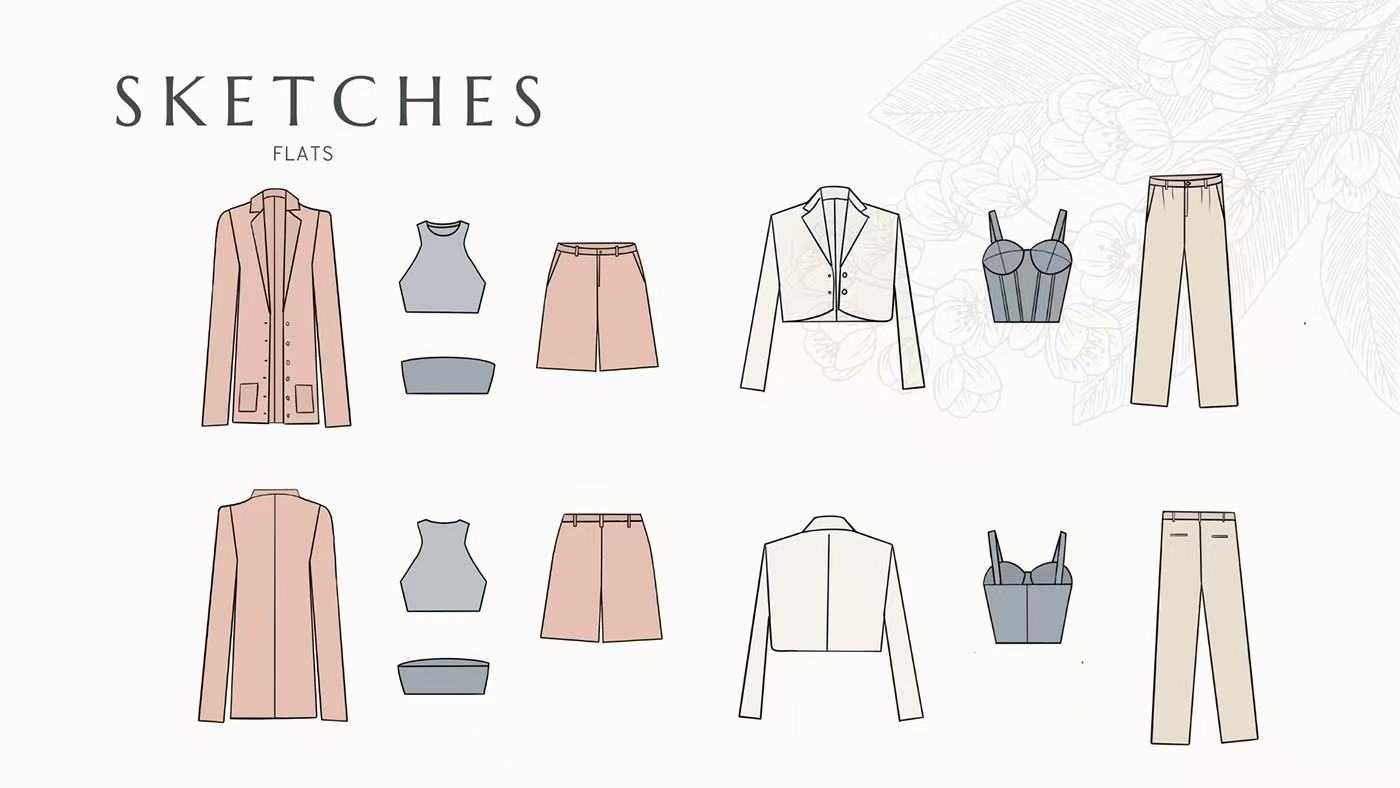
The journey of a garment begins with the creative minds of fashion designers. At Beryl Fashion, our designers draw inspiration from various sources, such as trends, customer preferences, and cultural influences, to create unique and innovative designs. These designs are then transformed into sketches or digital renderings, capturing every intricate detail of the garment. Once the designs are finalized, they are shared with pattern makers, who play a crucial role in bringing them to life.
Pattern Making
Pattern-making is a highly technical and specialized skill. Pattern makers take the designer’s sketches and create patterns, which serve as templates for cutting the fabric. They meticulously analyze the design, considering factors like fabric type, garment fit, and construction techniques to ensure that the patterns are accurate and precise.
Pattern makers at Beryl Fashion use specialized software or traditional methods to draft the patterns on paper or create digital versions. These patterns act as a blueprint for manufacturing, guiding the cutting and sewing operations throughout the factory.
Fabric Cutting
Once the patterns are ready, the next step is fabric cutting. This stage requires skilled workers who carefully lay out the fabric layers according to the patterns. They use cutting tools, such as scissors or automated cutting machines, to cut the fabric pieces precisely.
Efficiency and accuracy are crucial during fabric cutting to minimize waste and ensure that the fabric pieces align perfectly for sewing. Skilled cutters follow the patterns meticulously, taking into account fabric grain, pattern matching, and any specific design details required by Beryl Fashion standards.
Sewing and Assembly
After cutting the fabric pieces, they are ready for sewing and assembly. This stage involves skilled seamstresses and sewing machine operators who bring the garment together. They follow the patterns and use various sewing techniques to join the fabric pieces, creating the desired shape and structure of the garment.
From simple straight seams to intricate stitching and embellishments, the sewing process requires precision and attention to detail. Skilled operators ensure that each stitch is secure and the garment is assembled accurately, following the Beryl Fashion design specifications.
Pressing and Finishing
Once the garment is sewn, it goes through pressing and finishing operations. Pressing involves using specialized pressing machines or irons to remove wrinkles or creases and give the garment a polished and professional look.
Finishing touches, such as attaching buttons, zippers, or trims, are added during this stage. Skilled workers meticulously attach these components, ensuring that they are secure and aligned with the design. The garment is then carefully inspected to ensure that it meets the desired quality standards of Beryl Fashion.
Quality Control
Quality control is a critical stage in the garment manufacturing process. Skilled inspectors thoroughly examine each garment, checking for any defects, inconsistencies, or deviations from the design specifications. They ensure that the garment meets the desired quality standards in terms of construction, fit, and overall appearance.
If any issues are identified, the garment is sent back for rework or repair. This stage plays a vital role in maintaining Beryl Fashion’s reputation and customer satisfaction.
Packaging and Distribution
Once the garments pass the quality control checks, they are ready for packaging and distribution. The garments are carefully folded, packed, and labeled according to the brand’s requirements. They are then prepared for shipment to retailers or distribution centers.
Efficient logistics and supply chain management ensure that the garments reach their intended destinations in a timely manner. From there, they make their way to retail stores or online platforms, ready to be purchased and worn by customers.
The Different Types of Garment Manufacturing
Garment manufacturing is a complex and diverse industry, with various types of manufacturing processes catering to specific market needs.
One common type is mass production. In this method, large quantities of identical garments are produced to meet the demands of the market. Mass production is often used for basic garments like t-shirts, jeans, and socks. The key advantage is its cost-effectiveness. By producing garments in bulk, manufacturers can take advantage of economies of scale, reducing the cost per unit.
On the other hand, custom or made-to-measure manufacturing offers a more personalized approach. In this method, garments are produced based on individual measurements and specific customer requests. This is often associated with high-end fashion and luxury garments. While this level of craftsmanship comes at a higher cost and longer lead times, it allows for a truly personalized garment reflecting the individuality of the wearer.
Understanding the Supply Chain of Garment Manufacturing
The supply chain involves a complex network of suppliers, manufacturers, distributors, and retailers. At Beryl Fashion, it starts with sourcing raw materials, such as fabric, zippers, buttons, and trims. These materials are transported to our manufacturing facilities, where they undergo production. Effective management of this chain is crucial for timely production and delivery.
Pre-production Processes
Before manufacturing begins, Beryl Fashion carries out several pre-production steps:
Fabric Sourcing and Testing: Selecting materials based on quality standards (colorfastness, strength, and durability).
Pattern-making: Creating the defining templates for the garment's size and shape.
Sample Production: Producing samples to ensure the design, fit, and construction meet specifications before bulk production.
Technologies Used in Garment Manufacturing
Garment manufacturing has witnessed significant advancements. Beryl Fashion utilizes modern technologies to improve efficiency:
CAD Software: Used for precise pattern-making and design visualization.
Automated Machinery: Cutting and sewing machines that increase productivity.
Digital Printing: Allowing for intricate and customizable designs.
ERP Systems: Systems like Craftybase are used to track raw materials, production progress, and delivery schedules in real-time.
The Role of Automation and Lean Manufacturing
Automation
Automation has revolutionized the industry at Beryl Fashion. By using robotic systems and computer-controlled machines to cut fabric and sew seams, we can improve productivity, reduce costs, and minimize errors. It also improves working conditions by handling repetitive and physically demanding tasks.
Lean Manufacturing
Lean manufacturing is a systematic approach to eliminate waste. Beryl Fashion focuses on eliminating non-value-added activities such as overproduction and excess inventory.
A prime example is Zara, which uses lean principles to deliver new products in weeks rather than months. By producing smaller batches and replenishing based on actual demand, they reduce waste—an approach Beryl Fashion integrates into its own supply chain to stay agile and customer-focused.
Conclusion
In conclusion, garment manufacturing is a complex process that involves transforming raw materials into finished garments. From the design phase to the final quality control checks, each step at Beryl Fashion contributes to the creation of fashionable and wearable garments. Understanding the various manufacturing processes, supply chain dynamics, and the role of technology and lean principles are essential for thriving in this competitive industry.