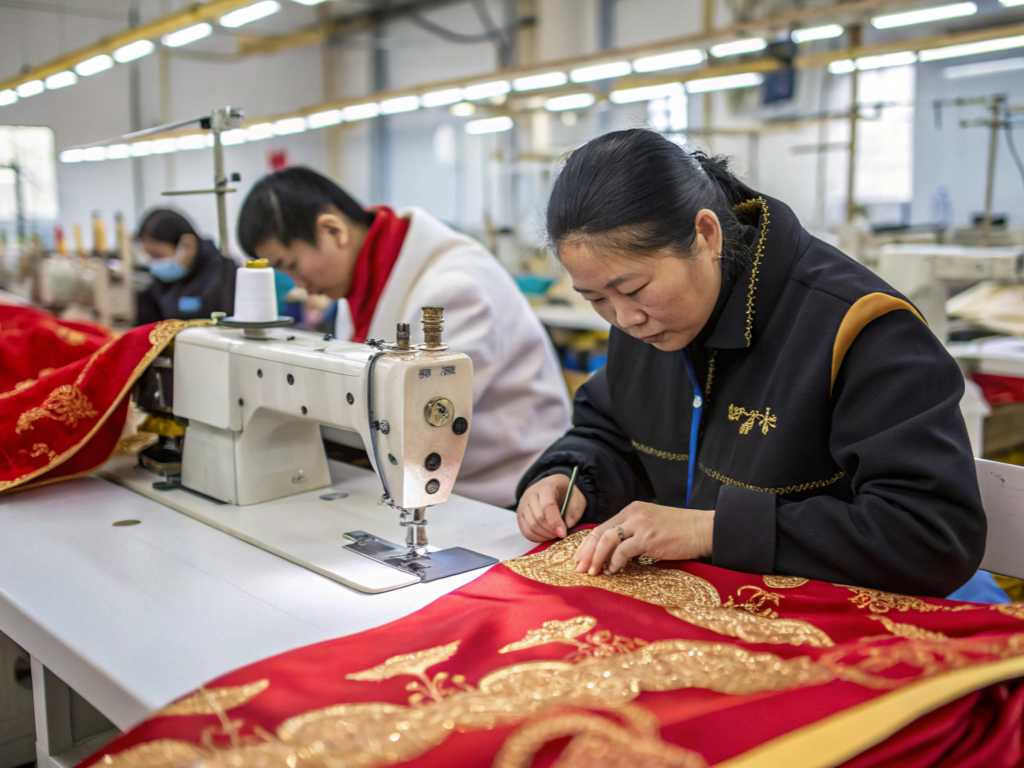

While "Made in China" was once synonymous with mass production, a paradigm shift has occurred.
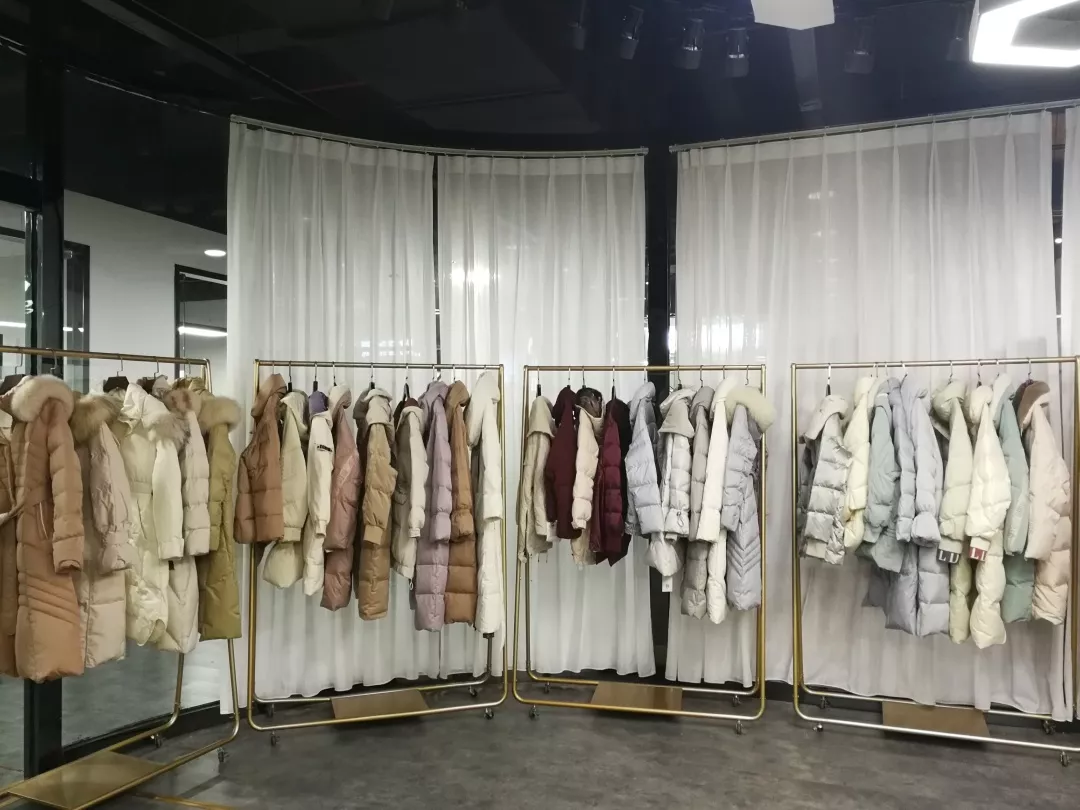
The Strategic Shift: Beyond Cost to Quality
The narrative of luxury production is changing. Modern high-end brands no longer choose China solely for cost-cutting; they choose it for technical superiority and unrivaled infrastructure. China offers a "vertical supply chain" where raw material sourcing, textile innovation, and final assembly happen within a small geographic radius, drastically reducing lead times while maintaining rigorous quality standards.
1. Advanced Technological Integration
China’s textile industry leads the world in automation. Luxury brands benefit from:
3D Knitting & Weaving: Precision technology that reduces fabric waste while creating seamless, high-durability garments.
AI-Driven Quality Control: Automated vision systems that detect microscopic defects in fabric long before the cutting process begins.
5 Eco-Friendly Dyeing: Advanced closed-loop systems that meet the stringent sustainability requirements of modern luxury consumers.
2. The Craftsmanship Factor
Contrary to popular belief, China has a multi-generational history of artisanal skill. Many Chinese factories now employ "Master Tailors" who specialize in hand-finishing, intricate embroidery, and complex leatherwork—techniques that rival traditional European workshops.
Notable Luxury Brands Manufacturing in China
Transparency in the supply chain is increasing, and many high-end labels now acknowledge their Chinese partnerships.
| Brand | Categories Produced in China | Strategic Advantage |
| Prada | Footwear, Nylon Accessories, Apparel | Precision in technical fabrics and high-volume consistency. |
| Burberry | Trench Coat components, Accessories | Access to specialized weather-proof textile innovation. |
| Coach | Leather Goods, Handbags | Mastery of leather assembly and rapid prototyping. |
| Hugo Boss | Suiting, Premium Casual Wear | Sophisticated tailoring technology and logistical speed. |
| Armani | Armani Exchange & Collezioni lines | Scaling high-end designs for a global middle-to-upper-tier market. |
Custom Luxury Dress Manufacturing: A New Era
For designers looking to launch exclusive collections, the Made-to-Order (MTO) model in China offers a competitive edge. Chinese manufacturers have moved away from "minimum order quantities" (MOQs) of thousands to flexible, small-batch luxury production.
Benefits of Custom Production:
Extreme Customization: Whether it’s laser-cut lace or hand-applied beadwork, Chinese artisans can execute hyper-specific design DNA.
Rapid Sampling: In the fast-paced fashion world, getting a sample from sketch to runway in 7–10 days is a logistical feat that Chinese hubs perform daily.
Material Sourcing: Proximity to the world’s largest fabric markets (like Keqiao) means designers have instant access to thousands of premium silks, wools, and sustainable textiles.
Navigating the Partnership: Best Practices for Brands
To maintain luxury prestige, brands must approach Chinese manufacturing with a focus on compliance and ethics.
Vetting for Certifications: Look for ISO 9001 for quality and SA8000 for social accountability.
Intellectual Property (IP) Protection: Use localized NDAs (NNAs) and work with reputable "Original Equipment Manufacturers" (OEMs) who have a history of protecting high-end designs.
Transparency & Audits: Frequent third-party inspections ensure that the "Luxury" label is backed by fair wages and safe working environments.
Conclusion
China has successfully rebranded itself from a low-cost workshop to a high-tech luxury powerhouse. By combining ancient artisanal traditions with the world’s most advanced manufacturing tech, China provides the precision, scale, and quality that the 21st-century fashion industry demands. For high-end brands, manufacturing in China is no longer a compromise—it is a strategic evolution.