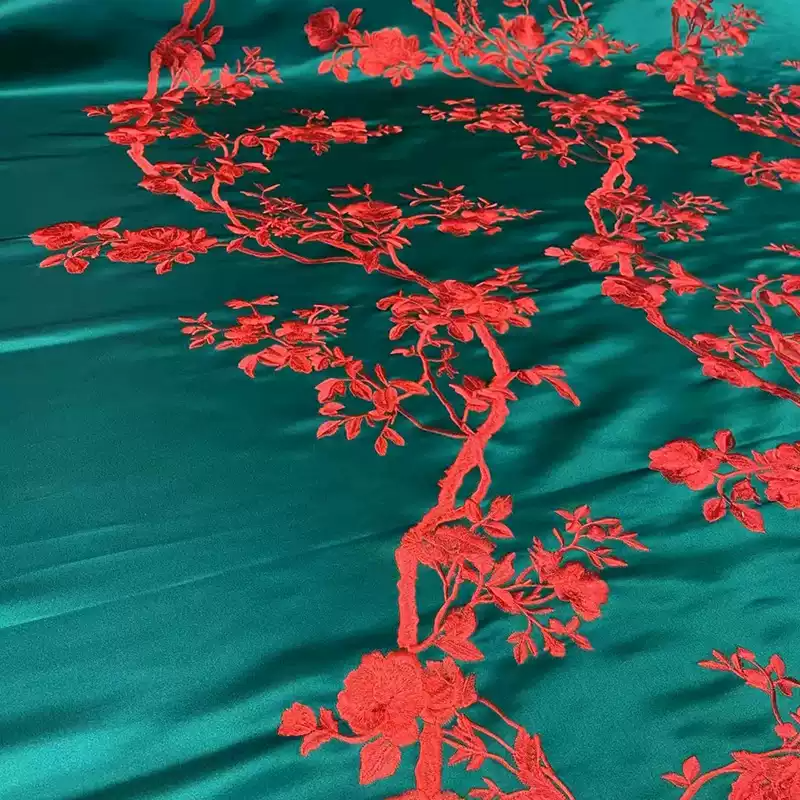

What Does “60 Count Sateen” Mean?
60 Count (Thread Count):
The number “60” refers to the yarn count—a measure of how fine the yarn is. A higher count means finer yarns, resulting in softer, smoother, and more breathable fabric.Sateen (Weave):
Sateen is a weaving technique (often “three over, one under”) that creates more floating yarns on the surface. This gives the fabric a silky sheen and a luxuriously smooth feel.Pure Cotton (Material):
This indicates the fabric is made from 100% cotton fibers.
So, 60 count sateen can be made from pure cotton, blends, or synthetic fibers. However, in the mid-to-high-end market—especially for bedding—60 count sateen is typically pure cotton. Fine cotton fibers best complement the sateen weave, offering breathability and comfort, while synthetic versions may feel stiff, less breathable, and prone to pilling.
3 Key Factors to Evaluate Fabric Quality
Yarn Count: Higher Is Finer
Common counts include 40, 60, 80, and 100.Tip: High yarn count should be paired with high density (tight weave) to prevent wrinkling and improve durability.
40s: Standard, good value.
60s and above: High-quality, ideal for premium bedding.
80s+: Luxury grade, softer and more expensive.
Weave: Sateen vs. Plain vs. Twill
Plain Weave: Simple crisscross pattern. Durable and breathable, but less soft and lustrous (e.g., basic cotton sheets).
Twill Weave: Diagonal lines. Softer than plain weave, durable, and mid-priced (common in everyday bedding).
Sateen Weave: Smooth, glossy surface with a silky hand feel. Softer and more luxurious but may be less durable due to floating yarns—gentle care is recommended.
Material: Cotton vs. Blend vs. Synthetic
Pure Cotton 60 Count Sateen: Breathable, moisture-absorbent, and skin-friendly. Suitable for sensitive skin and all seasons.
Blended 60 Count Sateen (e.g., cotton-polyester): Wrinkle-resistant and affordable but less breathable; may feel slightly stiff.
Synthetic 60 Count Sateen (e.g., 100% polyester): Low-cost, shiny, but prone to static, less breathable, and may cause discomfort over time.
How to Choose Authentic 60 Count Sateen: 3 Practical Tips
Check the Label
Look for:Avoid vague terms like “sateen fabric” without material or count details.
“100% Cotton”
“60s” or “60 count”
Relevant standards (e.g., GB/T 22849-2014 for pure cotton)
Feel the Texture
Pure cotton sateen feels soft and smooth with a natural, subtle sheen—not overly slick or plastic-like. Blends or synthetics often feel unnaturally smooth, stiff, or cool to the touch.Observe the Shine
Authentic cotton sateen has a soft, pearlescent glow. Synthetic sateen tends to look overly shiny or reflective, like plastic.
Conclusion
While 60 count sateen isn’t always pure cotton, high-quality 60 count sateen usually is. For the best experience, look for the combination of “100% cotton + 60 count + sateen weave.” Verify with the label, texture, and luster to avoid low-quality alternatives.