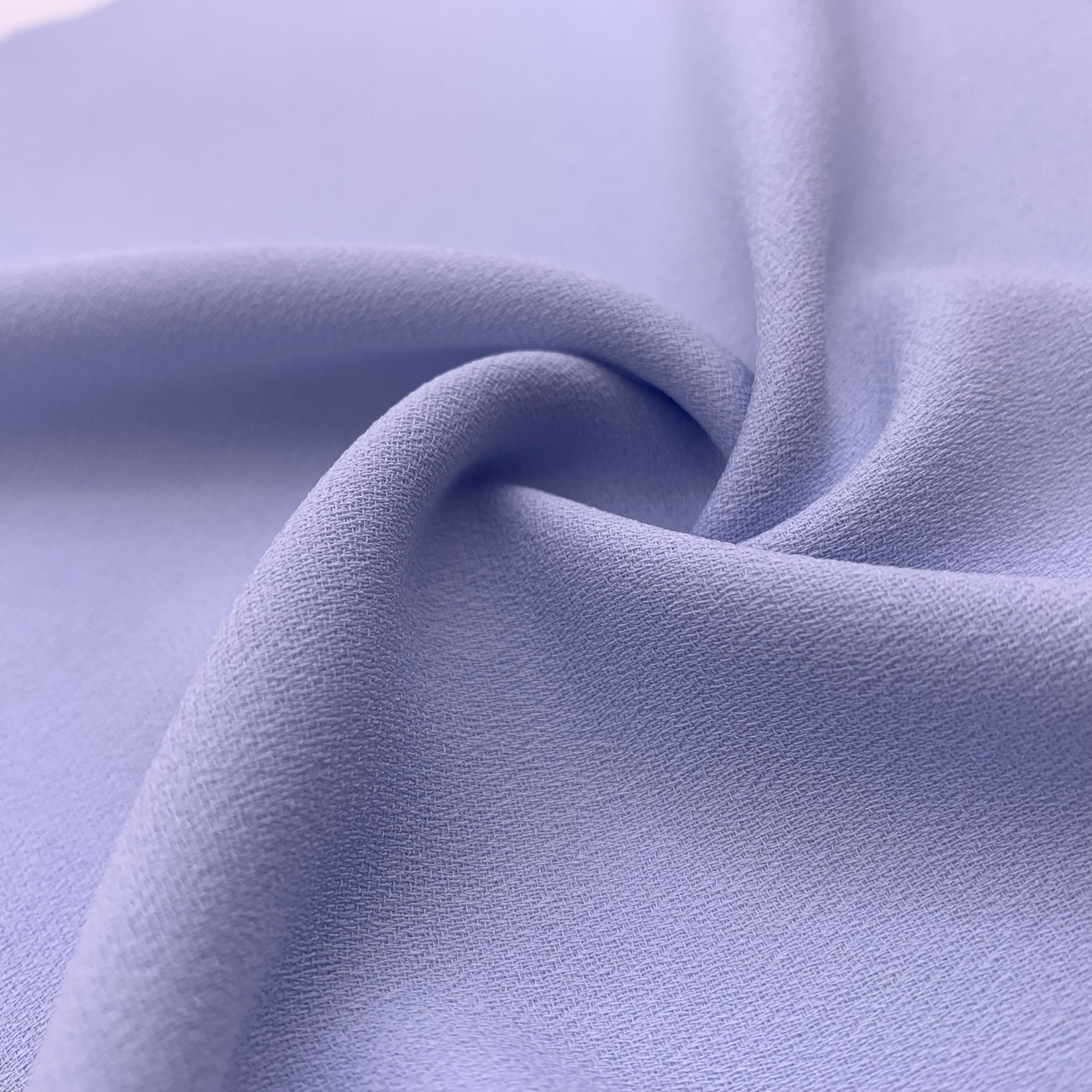

Have you ever felt the smooth, cool touch of a workout shirt or seen “polyester” on a wrinkle-resistant blouse tag and wondered: What’s the difference between polyester and synthetic fiber? The truth is simpler than you think: Polyester isn't just like a synthetic fiber—it is one. This common confusion stems from how we use these terms. Let’s unravel the threads and become smarter fabric shoppers.
The Big Picture: Synthetic Fiber is the Category, Polyester is the Star Player
First, let's get the hierarchy straight. Synthetic fiber (or "chemical fiber") is the broad umbrella term for all man-made fibers created through chemical processes. This contrasts with natural fibers like cotton, wool, silk, or linen.
The synthetic fiber family is vast and is primarily divided into two branches:
Synthetic Fibers (Made from Petrochemicals): These are created entirely from chemical synthesis. This is where our star, polyester, resides, alongside:
Nylon (Polyamide): Known for its strength and elasticity.
Acrylic: Often used as a wool substitute.
Spandex/Elastane: The king of stretch.
Cellulosic or Regenerated Fibers (Made from Natural Polymers): These are derived from natural sources like wood pulp but heavily processed.
Rayon/Viscose: A silk-like, draping fabric.
Modal & Lyocell (TENCEL™): More sustainable, high-end versions known for softness and breathability.
So, polyester is the most prominent member of the synthetic fiber family, accounting for over 70% of global synthetic fiber production. Think of it like this: All polyester is a synthetic fiber, but not all synthetic fibers are polyester.
Deep Dive: Polyester's Rise to Dominance
Polyester, scientifically known as polyethylene terephthalate (PET), burst onto the scene in the mid-20th century and revolutionized the textile industry. Its dominance isn't an accident—it's built on a set of powerful, engineered properties.
The 5 Superpowers of Polyester:
Durability & Shape Retention: It’s the superhero of low-maintenance fabrics. Polyester resists wrinkles, dries quickly, and holds its shape wash after wash, making it perfect for travel and everyday wear.
Cost-Effectiveness: Its production is highly scalable and efficient, resulting in affordable fabrics for the mass market.
Easy Care: It’s exceptionally strong, resistant to abrasion, and doesn’t shrink or stretch out easily.
Versatility: Through different manufacturing techniques, polyester can be engineered to mimic the feel of silk, the bulkiness of wool, or the matte finish of cotton.
Resistance: It stands up well to chemicals, mildew, and moths, adding to its longevity.
The Other Side of the Coin: Polyester's Limitations
No fabric is perfect, and understanding the trade-offs is key.
Comfort: Traditional polyester can be less breathable than natural fibers, potentially trapping heat and moisture, leading to a "sticky" feeling.
Static & Odor: It is prone to static cling and can hold onto body odor more than natural fibers if not treated.
Environmental Impact: Conventional polyester is derived from non-renewable petroleum and is not biodegradable, raising sustainability concerns. (However, recycled polyester, made from plastic bottles, is a growing, more eco-friendly alternative.)
Beyond Polyester: A Quick Guide to the Synthetic Family
When choosing, know your options:
For Stretch & Swimwear: Look for Nylon or Spandex blends.
For Affordable Warmth (Sweaters): Acrylic is a common, budget-friendly wool alternative.
For Silky Drapes (Dresses, Blouses): Rayon offers a luxurious feel at a lower cost.
For Eco-Conscious Luxury: Lyocell/TENCEL™ and Modal offer exceptional softness and biodegradability.
Your Practical Guide to Choosing the Right Fabric
Stop guessing and start making informed choices with these tips:
Ignore the Jargon, Read the Label: The garment’s care label is your best friend. Look for the exact fiber content percentage (e.g., "65% polyester, 35% cotton").
Match the Fabric to the Function:
Performance & Sportswear: Modern, moisture-wicking polyester is ideal. High-tech synthetics are engineered for this.
Everyday Shirts & Blouses: A polyester-cotton blend (e.g., 65/35) offers the perfect balance of comfort (from cotton) and easy care (from polyester).
Sustainable & Soft Basics: Seek out items made from TENCEL™ Lyocell or organic cotton.
Formal Wear: A polyester-wool blend can be more affordable and durable than 100% wool.
Avoid These Common Myths:
Myth: "100% Natural is Always Better." Truth: It can be expensive, high-maintenance, and less durable for daily use.
Myth: "Synthetic Means Cheap and Low-Quality." Truth: Advanced functional synthetics (like those in premium hiking gear or athletic wear) are highly engineered for superior performance.
Conclusion: It's All About the Right Tool for the Job
Polyester is a type of synthetic fiber, and the world of man-made fabrics is vast and sophisticated. Today's synthetics have shed their "cheap" image, evolving into high-performance, versatile, and often sustainable materials.
The goal isn't to avoid polyester or synthetics altogether but to understand their strengths and weaknesses. The smartest choice often lies in blends that combine the best of both worlds—like polyester for strength and cotton for breathability.
Next time you shop, take a moment to check the label. Your perfect garment—durable, comfortable, and suited to your lifestyle—is likely a intelligent fusion of fibers, with polyester often playing a crucial supporting role.