

10. Thailand
Raw Material Consumption: 836 Metric TonsThailand has successfully transitioned from basic OEM manufacturing to high-value-added textile production. Leveraging its $534 billion GDP and advanced infrastructure, Thailand specializes in eco-friendly fabrics and functional sportswear, making it a key player in the ASEAN region.
9. Brazil
Raw Material Consumption: 1,039 Metric TonsAs South America's largest economy, Brazil maintains a vertical supply chain—from vast cotton plantations to high-end garment assembly. With a high ratio of advanced shuttleless looms, Brazil is a regional leader in denim and swimwear production.
8. Vietnam
Raw Material Consumption: 1,079 Metric TonsVietnam remains the "rising star" of global manufacturing. With a $408 billion economy, it has become a primary alternative to China for global giants like Nike and Samsung, thanks to competitive labor costs and favorable free trade agreements (FTAs).
7. Bangladesh
Raw Material Consumption: 1,427 Metric TonsBangladesh is a textile titan. The "Ready-Made Garment" (RMG) sector accounts for over 80% of its total exports. It has utilized this industry to lift millions out of poverty, focusing on large-scale production for Western fast-fashion retailers.

6. Turkey
Raw Material Consumption: 1,690 Metric TonsStrategically located at the crossroads of Europe and Asia, Turkey offers "near-shoring" advantages to European brands. Known for high-quality cotton and rapid lead times, Turkey’s textile sector employs nearly one million people.
5. Indonesia
Raw Material Consumption: 1,841 Metric TonsIndonesia blends traditional craftsmanship (like Batik) with massive industrial capacity. With a $1.3 trillion GDP, the country is a major exporter of knitted sweaters and structured suits, benefiting from a large, skilled workforce.
4. United States
Raw Material Consumption: 2,110 Metric TonsThe U.S. textile industry is a pioneer of the Industrial Revolution. Today, it focuses on high-tech innovation rather than mass-market sewing. The U.S. leads in specialty fibers, medical textiles, and military-grade fabrics, supported by highly automated smart factories.
3. Pakistan
Raw Material Consumption: 3,145 Metric TonsTextiles are the lifeblood of Pakistan's economy, representing its largest export sector. Despite challenges in energy stability, Pakistan remains a global hub for home textiles and raw cotton yarn, deeply rooted in the history of the Indus Valley.
2. India
Raw Material Consumption: 6,398 Metric TonsWith a $3.5 trillion economy, India is a manufacturing behemoth. It benefits from a massive domestic market and a complete supply chain. From organic cotton farming to intricate hand-loomed fabrics, India is the primary challenger to global market shares.
1. China: The Undisputed Global Leader
Raw Material Consumption: 19,350 Metric Tons
China’s position is unrivaled, with consumption figures nearly triple that of its closest competitor.
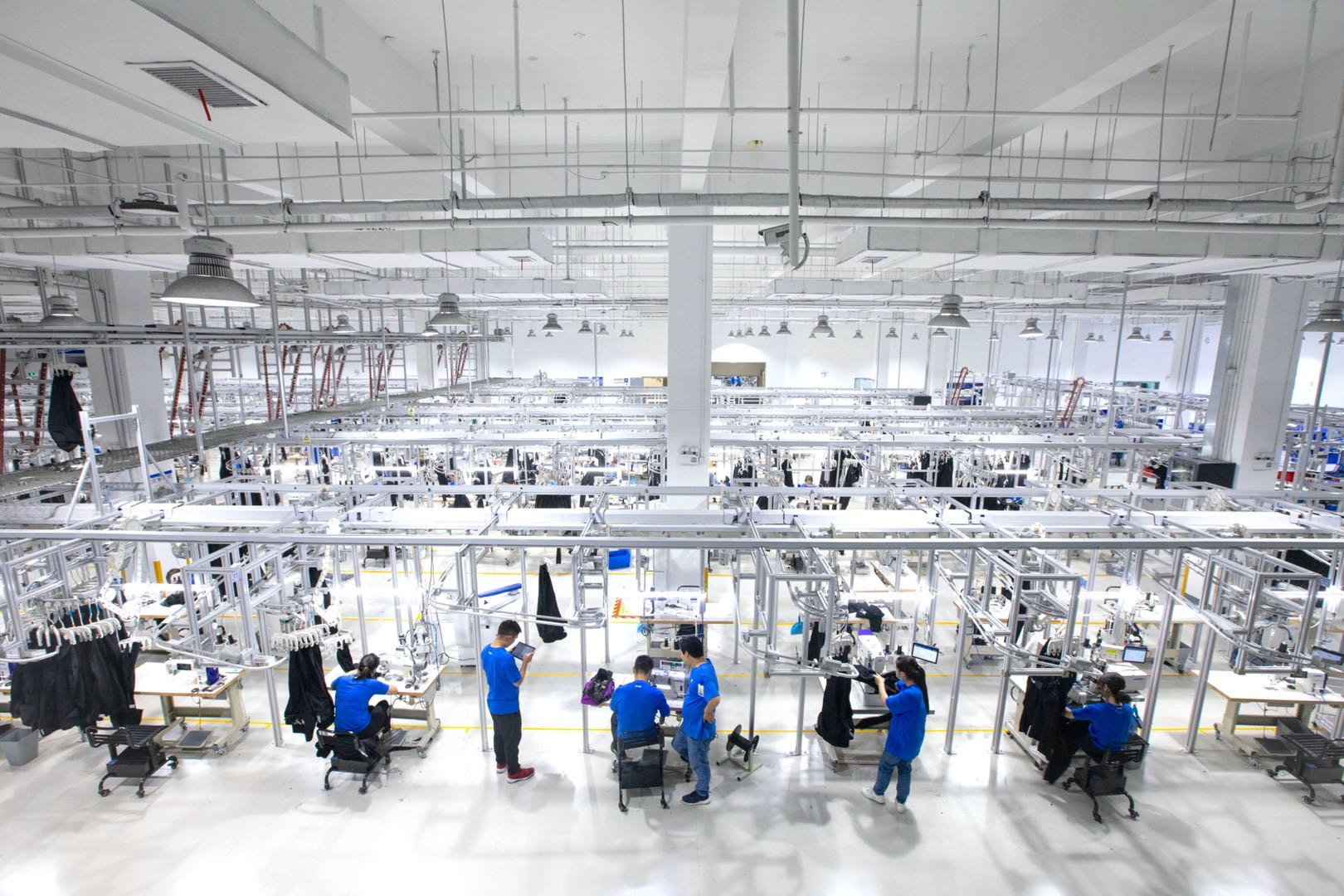
Infrastructure: China possesses the world’s largest number of shuttleless looms and the most comprehensive textile industrial chain.
Export Power: With annual exports hovering around $300 billion, China has evolved from a "quantity leader" to a "quality and technology leader."
Innovation: Chinese factories are at the forefront of digital supply chains and automated garment construction, ensuring its status as the "World's Factory."
Conclusion: The Future of Fashion Sourcing
The 2025 rankings highlight a clear trend: while China remains the dominant force, South Asia and Southeast Asia are rapidly closing the gap in volume. Meanwhile, Western nations like the US are pivoting toward technical textiles. For brands and sourcing managers, the focus has shifted from "lowest cost" to "digital resilience and sustainability."